Some, I have met, others were discovered in books or websites. Many are well know, others deserve to be better known.
Henri Cartier-Bresson
I regard Henri Cartier-Bresson as the best photographer who ever lived! He has certainly influenced my photography – particularly my 1970s Paris photographs.
One of my favourites is the photograph below, which was taken in 1938.
Dimanche sur les bords de Seine
W Eugene Smith
According to Wikipedia, W. Eugene Smith has been described as “perhaps the single most important American photographer in the development of the editorial photo essay.” His major photo essays include World War II photographs, the dedication of an American country doctor and a nurse midwife, the clinic of Dr Schweitzer in French Equatorial Africa, the city of Pittsburgh, and the pollution which damaged the health of the residents of Minimata in Japan (now made into a film with Johnny Depp as Smith). His 1948 series, Country Doctor, photographed for Life Magazine is now recognised as “the first extended editorial photo story”.
He dedicated his life to photography, perhaps in a way no other photographer has. He used Minoltas, as the Japanese firm gave him a SR-T-101 camera to use. He also famously used an Olympus Pen-F – Olympus used him in their advertising for this half-frame camera.
The picture above is from his "Country Doctor" photo essay published in Life magazine in 1948.
Roger Deakins
Roger Deakins CBE, ASC, BSC was an amateur photographer from Devon who went to Art College. From the National Film School he went on to become one of the world’s foremost Cinematographers, whose main body of work was with the Coen Brothers. To visit His personal website click here. He has won, and been nominated for several Oscars for his cinematography.
The image below is from the Beaford Archive, to which he contributed together with James Ravilious (brother of celebrated artist Eric). This is a body of work capturing life in North Devon in the 1970s and 80s. Roger took this while a student in the early 1970s. To visit this Archive click here.
James Ravilious
As mentioned above, after Roger Deakins, James Ravilious became the contributor to the Beaford Archive.
The Archive’s beginning can be dated to 1971, when cinematographer Roger Deakins spent a year taking photographs around north Devon. He went on to study at the National Film School and at Beaford he was followed by the appointment of photographer James Ravilious in 1972.
For seventeen years James Ravilious documented the people and places of North Devon, amassing a collection of over 78,000 images. He lived in the community he photographed, and was trusted to photograph all aspects of local life. In addition, working closely with his colleague George Tucker, he built what they called the ‘Old Archive’: over 5,000 copy photographs dated between 1870 and 1940, borrowed from local people.
Recently I contacted his widow, Robin, who kindly replied to my email.
The image below is of Dr Richard Westcott visiting a patient at South Molton Cottage Hospital in 1984. Prints of this can be purchased from the archive by clicking here.
Denis Thorpe FRPS
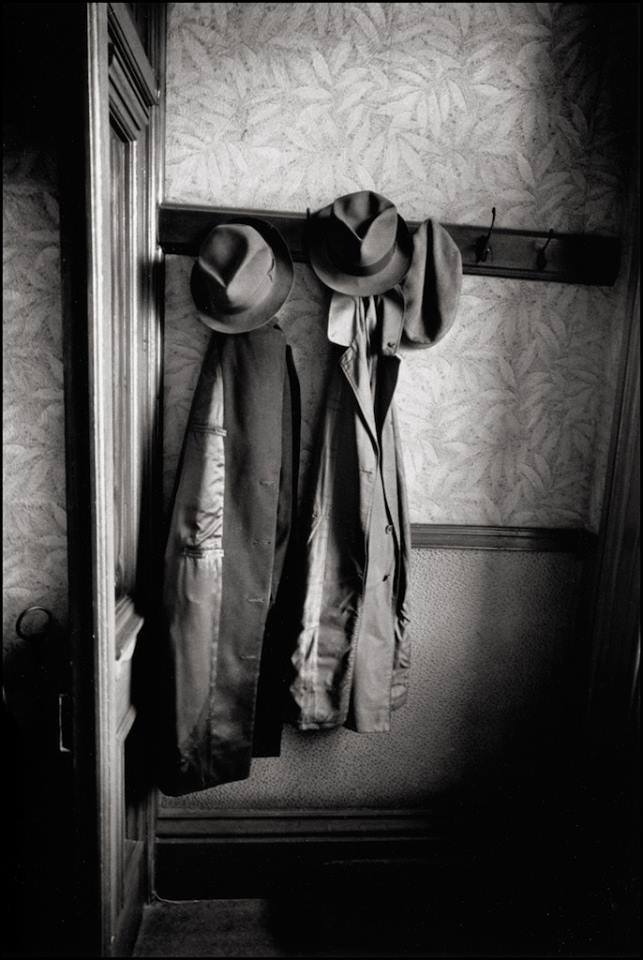
Just after I became Programme Secretary of Chester Photographic Society I saw an article in the Guardian about their staff photographer passing Lowry’s house in Salford, shortly after he had died. Seeing a removal van, Denis asked if they could wait for a few moments so he could record Lowry’s house as it was on his death. I immediately asked him to come to the Society, show his images, and talk about this experience. I later bought his book “On Home Ground”. I think Denis is an amazing photographer and I took similar photographs of my Dads home after he died.
Lowry's hats and coats.
Philip Jones-Griffiths
I never met PJ-G although I knew a fellow Liverpool Pharmacy student, Clive Owens who loved in West Kirby. He often talked about him back in the sixties before his later fame. Finally I had an opportunity to meet him at a RPS Lancaster event where he was due to give a talk. I took along my first edition of his influential book, Vietnam Inc. to sign, but sadly he didn’t turn up.
A member of Magnum, he was their president from 1980 to 1985.
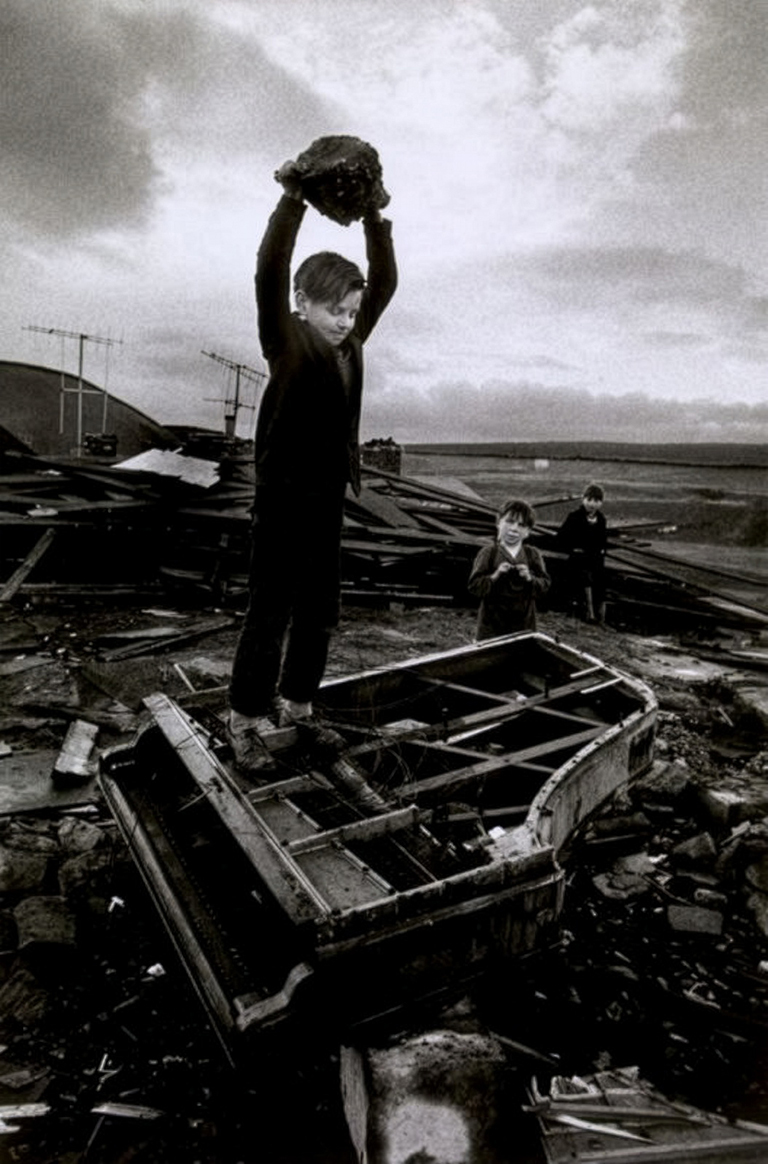
Born in North Wales, he died in 2008. His seminar book perhaps helped to end the Vietnam War. According to Wikipedia “After becoming aware of his terminal condition in 2001, Jones Griffiths launched a Foundation to preserve his archives. As trustees, his two daughters helm the Foundation. In 2015, the National Library of Wales in Aberystwyth acquired the entire Philip Jones Griffiths archive, which includes approximately 150,000 slides and 30,000 prints”.
Boy Destroying Piano
Willy Ronis
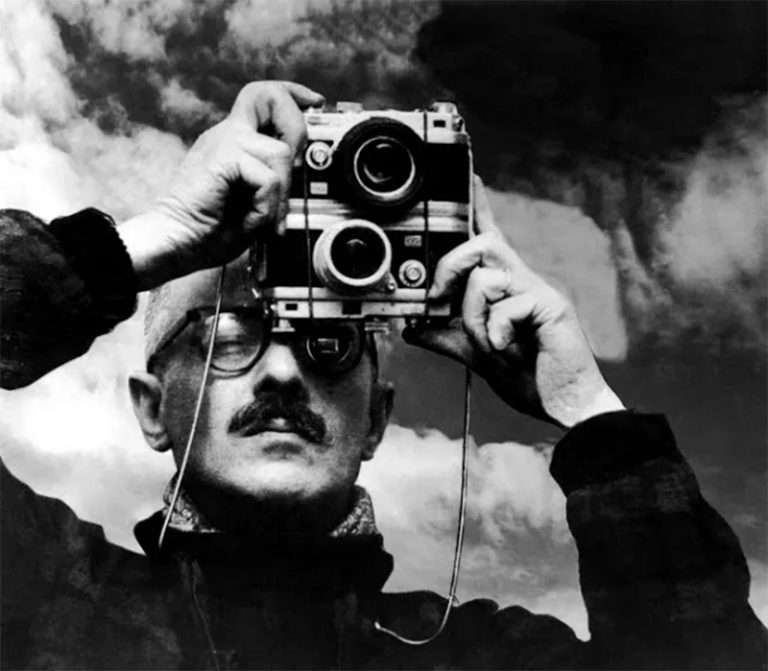
Willy Ronis (1920-2009) was a French photographer in the same league as Henri Cartier-Bresson. He was also a member of Magnum. He did have an unique sense of humour, as shown by this marvellous self-portrait with two French FOCA 35mm cameras.
He was named by the Oxford Companion to the Photograph “the photographer of Paris par excellence”. Since 2015, a street in the 20th arrondissement of Paris has been named after him, called the “Belvédère Willy-Ronis”.
Lee Miller
I’ve always liked Lee Millers photography. Back in 2010 I organised a talk on her by Lynn Hilditch entitled “Lee Miller – From Vogue to Buchenwald”.
A “must see” is the film about her simply entitled “Lee” which featured her son (played by Josh O’Connor) who has opened a Museum and Archive in the house she shared with his father Sir Roland Penrose. He also brought out a lovely book published by Thames& Hudson entitled LEE MILLER PHOTOGRAPHS. Kate Winslet, who played Lee in the film wrote the foreward. I believe Kate spend 10 years preparing for the part and Lee Miller certainly left her mark on the actress.
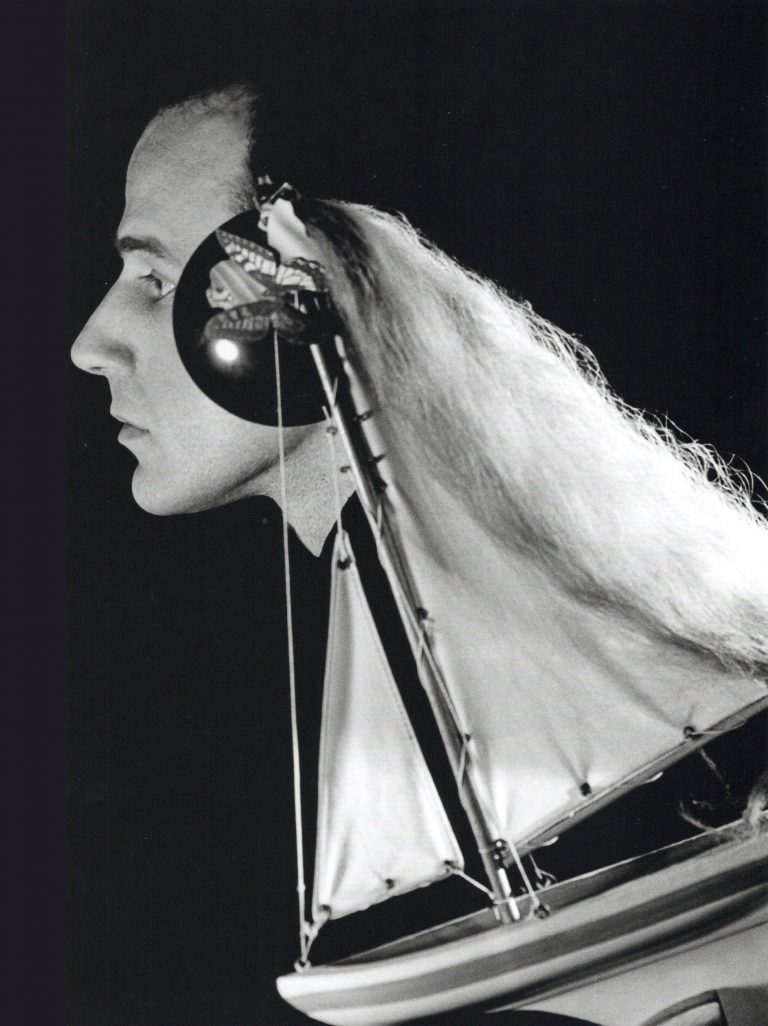
The image below, typical of her surreal eye, is entitled “Spun the wind like hair for the sails of his boat (Joseph Cornell)” Lee Miller Studios Inc. New York 1933.
"Spun the wind like hair for the sails of his boat (Joseph Cornell)" Lee Miller Studios Inc. New York 1933.
Margaret Salisbury FRPS
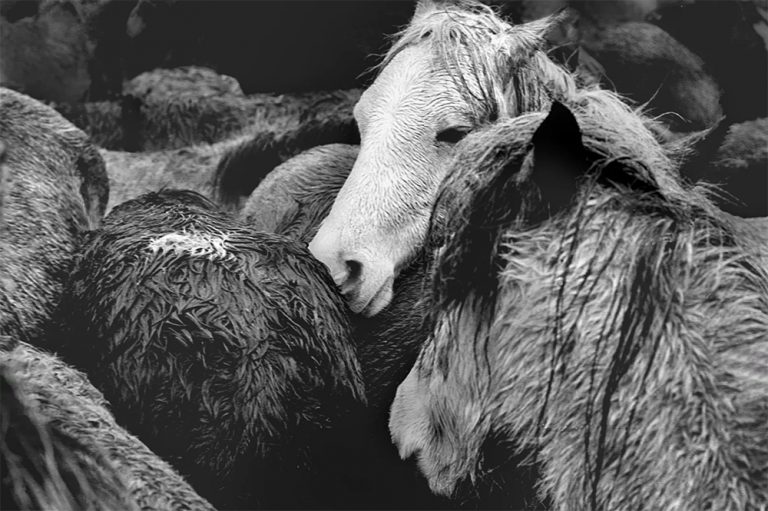
LI knew Margaret in the 1980s when we quire both members of Rhyl PS. More recently I had the pleasure of engaging her to speak at Chester when I organised their programme from 2007 to 2019.
I remember this image very well – I remember her saying she loved horses and this is evident in this wonderful shot.
Gered Mankowitz
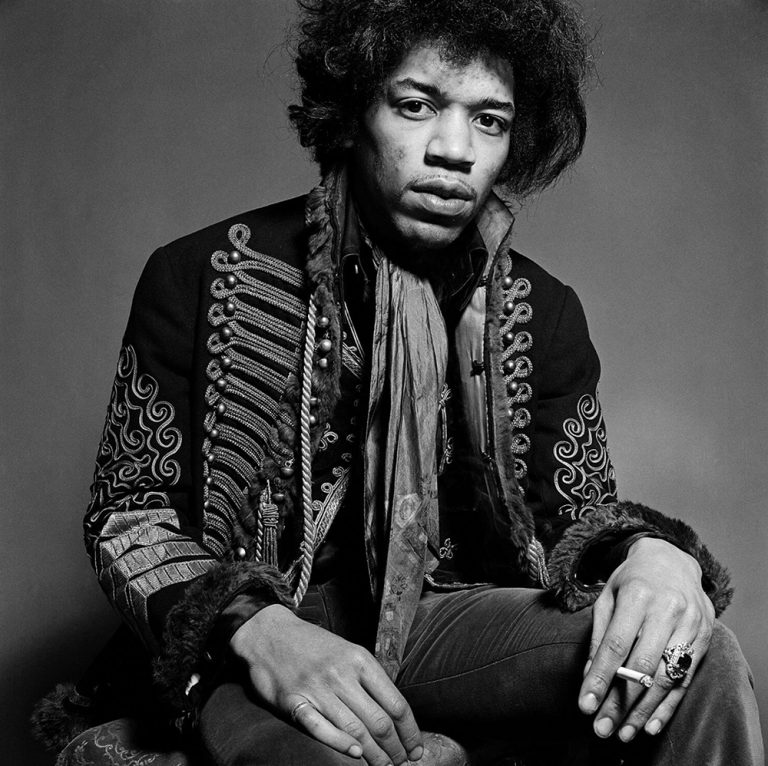
I had the pleasure of meeting Gered prior to his presentation at Chester which I organised back in 2015. He called it “In Conversation with Gered Mankowitz – On 50 Years of Rock Photography”. I quote from his website:-
“Gered Mankowitz FRPS is an English photographer who focused his career in the music industry for over five decades. He has worked with a range of artists from The Rolling Stones to Jimi Hendrix, Marianne Faithfull to Kate Bush, Suzi Quatro to Annie Lennox, Slade to Oasis as well as in other genres of commercial photography, including editorial and advertising. He has been selling Limited Edition prints of his work since his first exhibition in London in1982”.
He is well known for his iconic images of Jimi Hendrix.
Jimi "Jacket & Hands"
E. Chambré Hardman
E. Chambré Hardman (Edward Fitzmaurice Chambré Hardman) 1898-1988, was a photographer based for most of his life in Liverpool. His former home, studio and darkroom situated in the upmarket Rodney Street now belongs to the National Trust and even my wife who is not interested in photography at all enjoyed a visit!
He set up in Liverpool in collaboration with Captain Kenneth Burrell who died in 1953. At his peak he even had a studio in Chester.
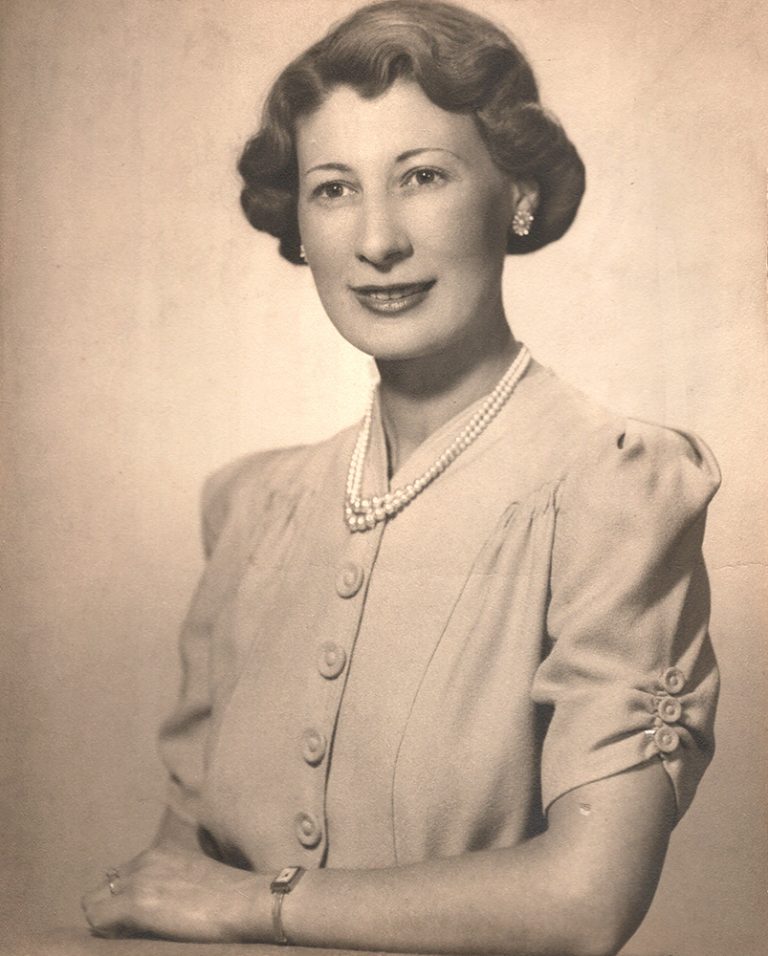
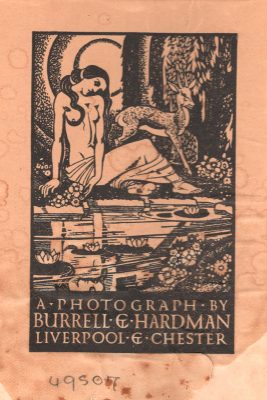
I actually possess one of his photographs, taken of an old family friend – Andree Devonshire (see below). The stamp on the reverse gives the business name as Hardman and Burrell so the photo was taken before 1953 and probably at his Chester studio (Andree loved on the Wirral).
His preferred genre was landscape photography but he made his living doing portraits in his studio along with trusty “assistant”, his wife Margaret.
Joseph Hardman
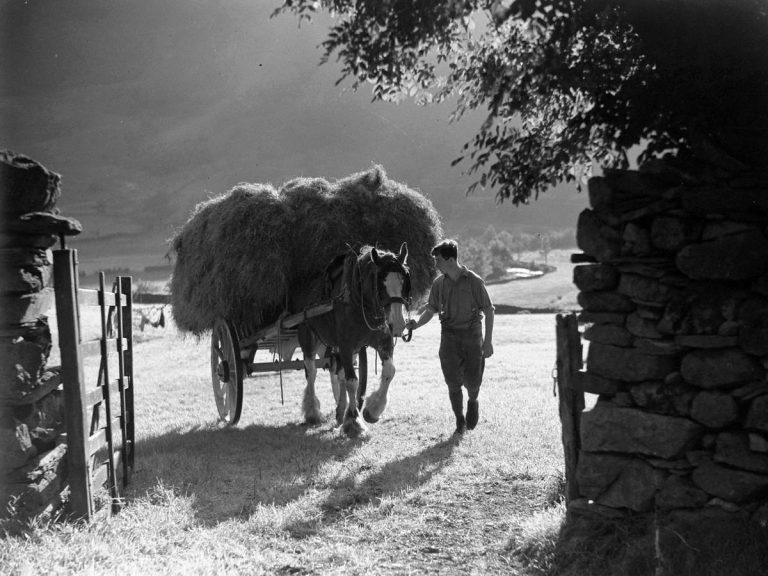
This photographer was discovered during a recent visit to the Lakes.
He was known as ‘the Lakeland photographer”(no relation to Chambre-Hardman). His wonderfully atmospheric photography was featured in a book by Anne Bonney which I purchased from the newly opened Tabitha Twitchit’s Bookshop in Hawkshead.
According to ArtUK “Joseph Hardman (1893–1972) was born in Radcliffe, near Manchester but moved to Kendal in 1911. He was a keen photographer so joined the local Photographic Society and made the acquaintance of Clarence Webb, who channeled his enthusiasm for photography and provided advice and guidance. As an amateur, Hardman sold a few of his photographs to local newspapers and the response with which they were met probably played a part in encouraging him to make photography his main occupation. Hardman often worked freelance for The Westmorland Gazette, often covering up to 200 miles a week in a taxi. He tirelessly documented local events, personalities and traditions such as the Lyth Valley damson harvest. He also attended informal rural events like shepherds’ meets, cataloging a way of life that was, even then, changing”.
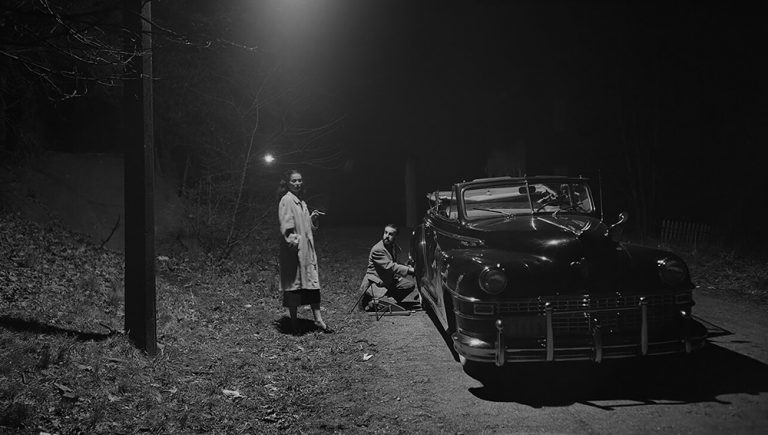
I have always greatly admired the films of Stanley Kubrick, but before becoming the acclaimed director he worked for LOOK magazine as a photographer in the late 1940s and early 1950s, using Leica or Rolleiflex equipment.
The image below is from his book “Through A Different Lens: Stanley Kubrick Photographs” (Taschen).
Rosemary Williams waiting while a companion changes a flat tyre at night
Lee Friedlander
Born in 1934, Lee Friedlander is an American photographer who takes the pictures I would have liked to have taken.
Recently he had an exhibition at the Fraenkel Gallery, sponsored by the film maker Joel Coen. What better accolade can one have!
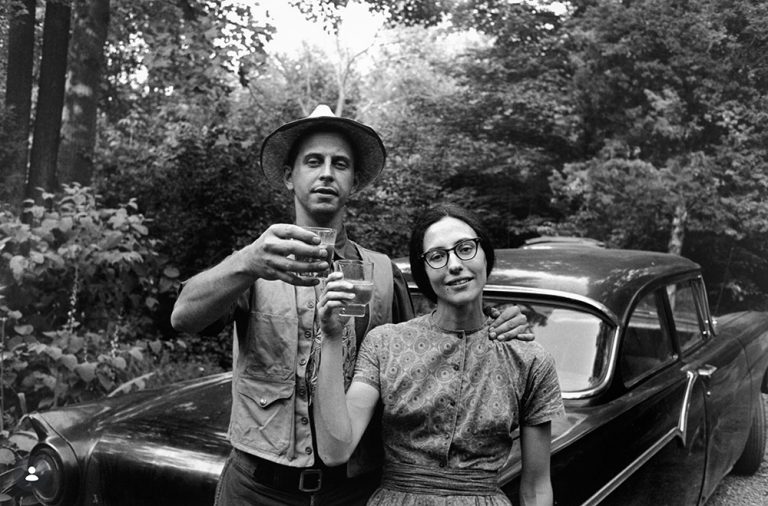
A lot of his photographs feature cars, which I love. Also he loved taking pictures of his wife, Maria as well as selfies of them both, as below.
Lee and Maria, New City, New York, 1963 (photographmag)
Roy DeCarava
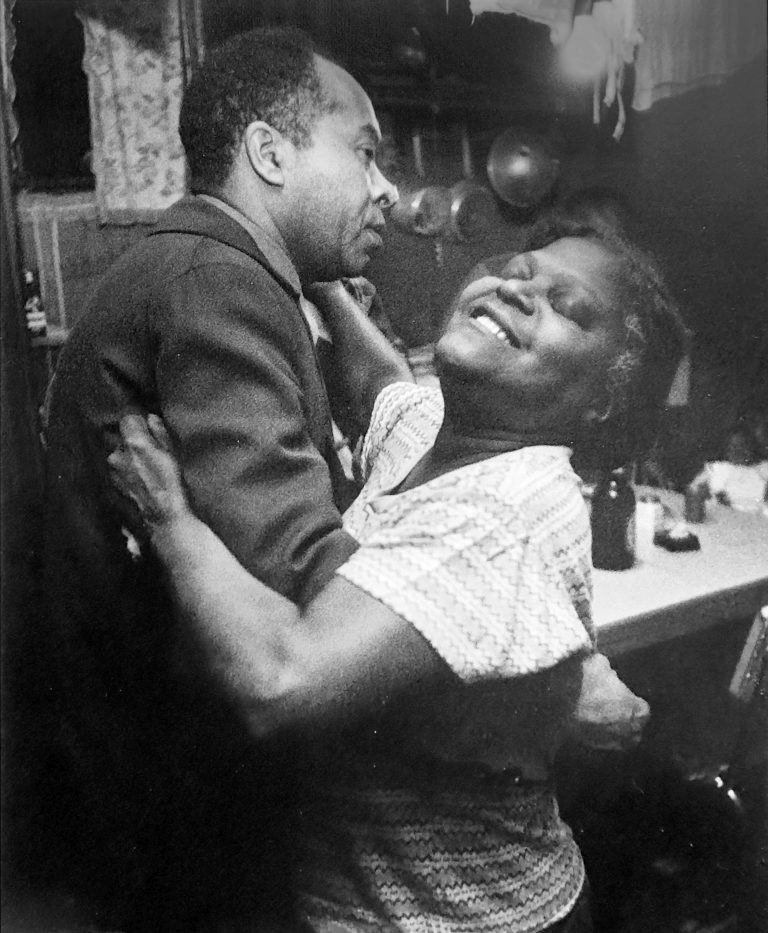
Roy DeCarava (1919-2009) was an American photographer whose memorable images of his native Harlem were recognised as a step up from mere street photography.
A Guggenheim Fellow, his remarkable photographs are in many museums. His book “The Sweet Flypaper of Life” was originally published in 1936.
Sabine Weiss
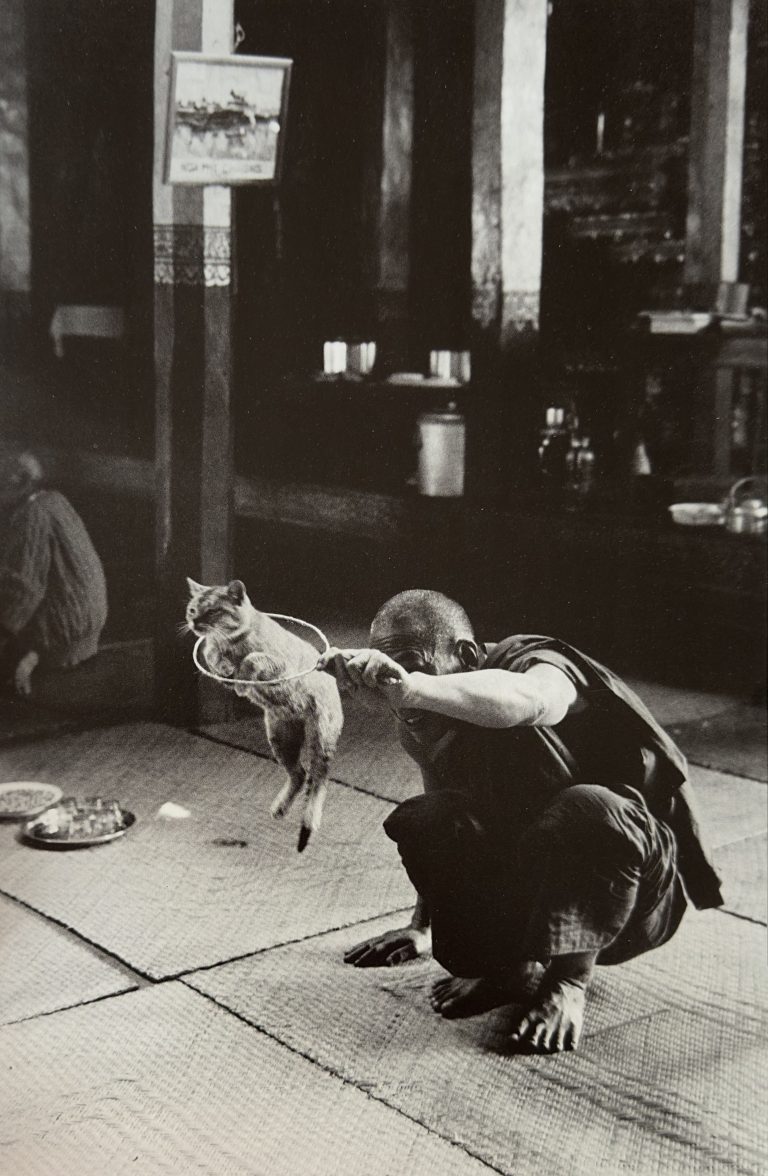
I discovered Sabine Weiss through YouTube – I quickly bought her book.
Born in 1924 in Switzerland she lived and worked mainly in France. Represented by Agence Rapho her colleagues included Doisneau, Brandt, Kertész, Karsh, Lartigue and Ronis.
Before she died at the ripe old age of 97 she donated her entire archive, which contained 200,000 negatives, 7,000 contact sheets, around 2,700 vintage prints and 2,000 late prints, 3,500 prints, and 2,000 slides to the Musée de l’Élysée, Lausanne.
Monastere des chats auteurs, Nga The Kyung, 1996
Chris Birchall ARPS
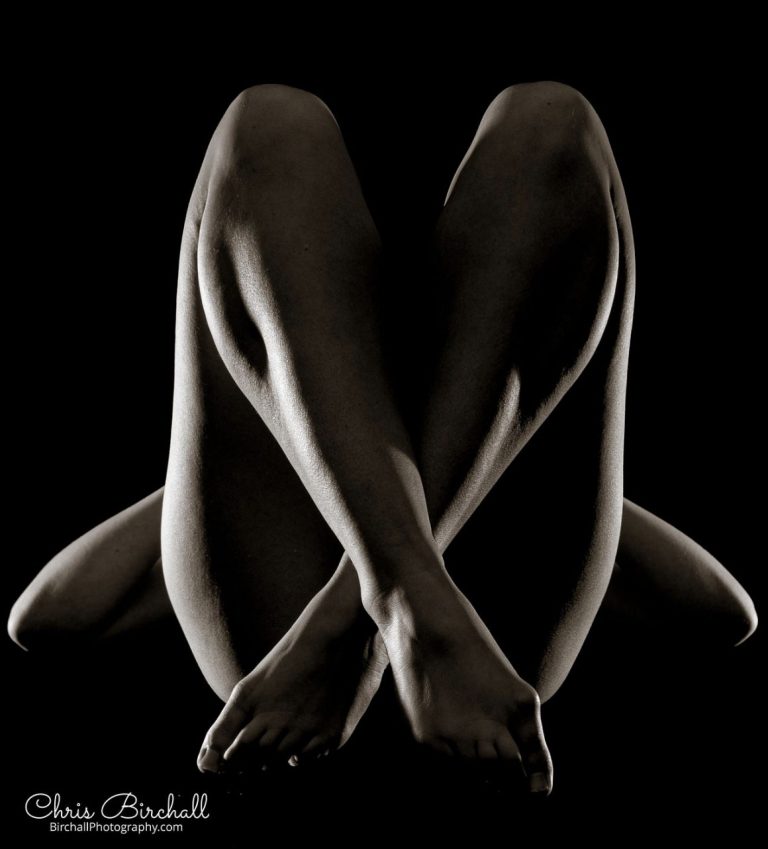
I have known Chris since the early 1980s and was with him when he met his current wife Jayne. He kindly took my wedding pictures in 1987. I also have some amazing “family” pictures he took of my wife and young children in the early 1990s.
The image below is from his Substack entry and it received more than 1200 reactions in a Facebook B&W group.
X Marks the Spot
Zed Nelson
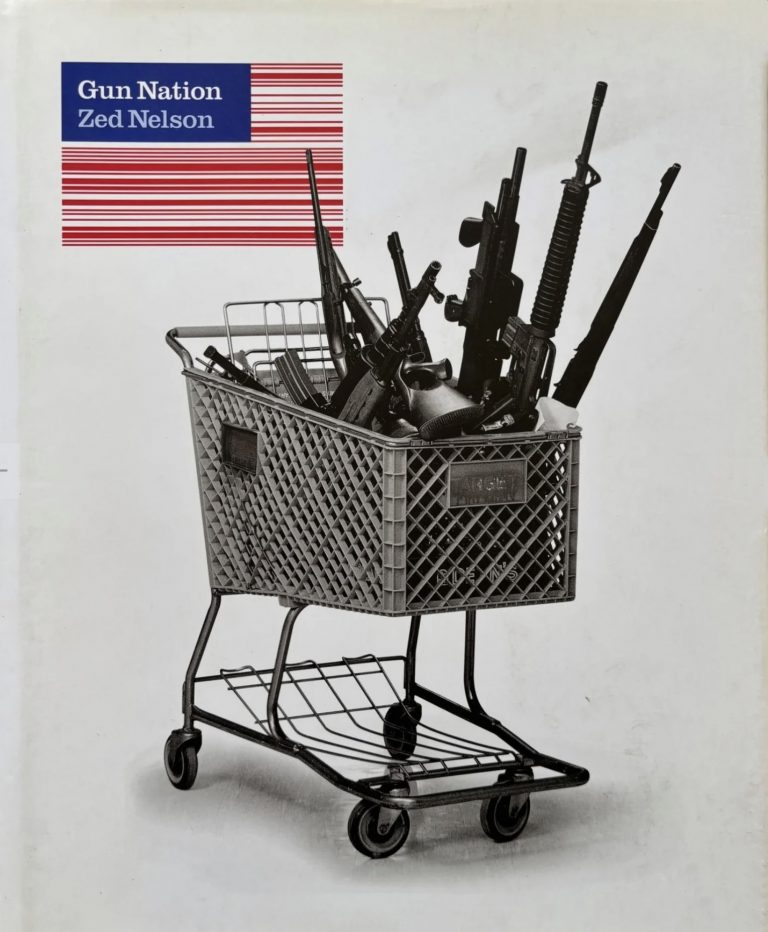
According to his own website “Zed Nelson is a London-based documentary photographer and filmmaker, known for long-term projects that explore contemporary society. He has published three books, Gun Nation, Love Me and A Portrait of Hackney, and been recognised by numerous photography awards, including the Visa d’Or (France), First Prize in the World Press Photo Competition (Netherlands), and the Alfred Eisenstaedt Award (USA).”
I arranged for him to give a talk to Chester PS on his seminal book Gun Nation (although the committee weren’t keen on the title) but for some reason it fell through. I contacted him again after watching his amazing 2019 documentary The Street on TV. Focusing on one East London street and its inhabitants over a four-year period – it was a film about love and loss, a community unravelled by gentrification, and the nation’s slide into Brexit.
The cover of his book
John Faleur ARPS
I can’t list my favourite photographers without mentioning my late father. His best photography was done during a dream holiday in Antarctica, and he obtained his ARPS with images from this trip including the picture below.