France, while not immediately associated with camera manufacturing, played a pivotal role in the history and development of photography. The French invented photography, starting with Joseph Nicéphore Niépce’s first photograph in 1826 and Louis Daguerre’s practical daguerreotype process in 1839, which led to the first commercially successful cameras. French innovators also preceded German makers with early motor-driven and 35mm cameras, such as Le Pascal (1899) and the Debrie Sept (1922), which could function as both still and cine cameras.
French camera design was notable for unique jumelle (binocular-inspired) models and creative mechanisms for plate handling, as seen in the Photo-Jumelle Binocular Camera and Bellieni Jumelle Simple. France was also prolific in stereo photography, with Jules Richard producing a wide range of stereo cameras, including the versatile Glyphoscope and the Monobloc, which could switch between stereo and panoramic modes.
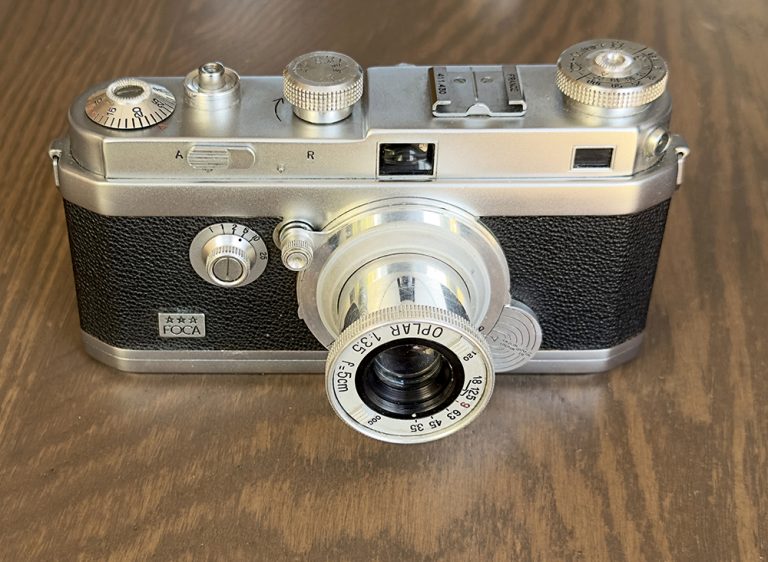
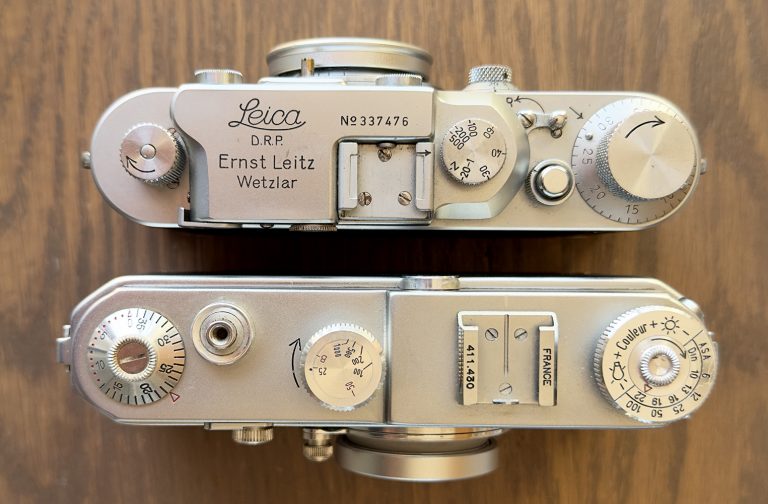
Foca cameras, produced by OPL, offered genuine alternatives to Leica and Contax, introducing innovative features like close-focusing systems and unique depth of field scales. SEM, another French company, made compact 35mm and twin lens reflex cameras, including the Babysem and the Semflash, the latter marketed as a home studio for families.
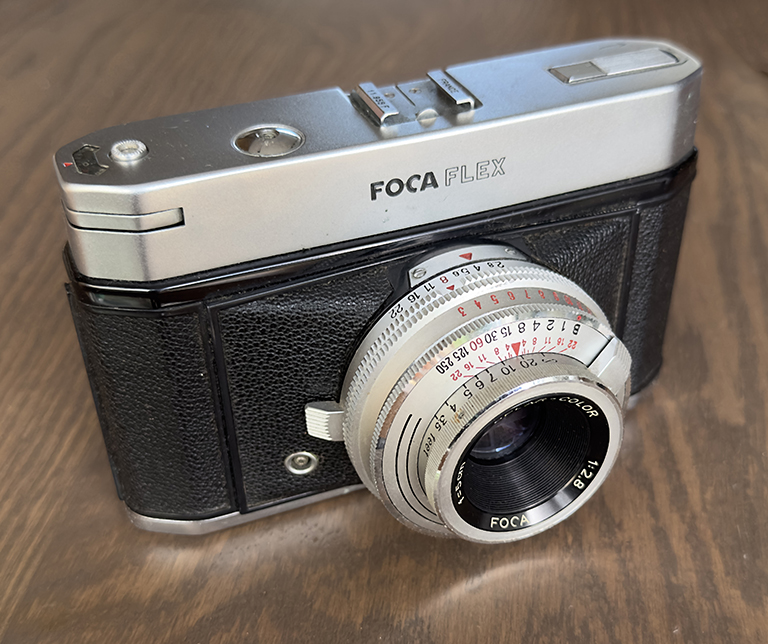
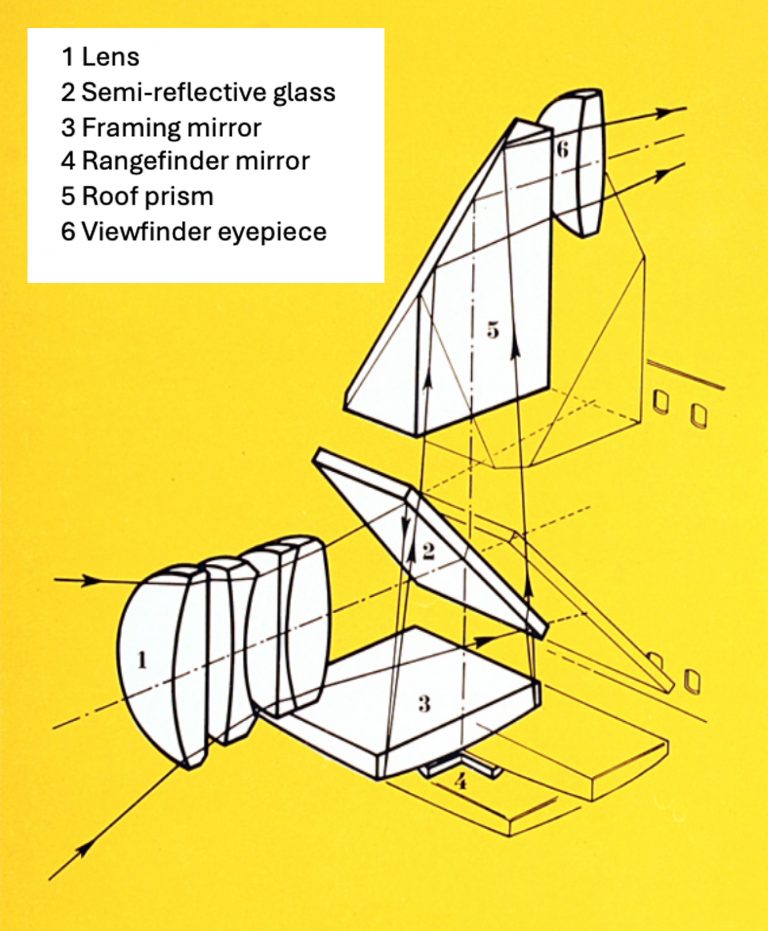
French contributions to single lens reflex (SLR) cameras included the Focaflex with its unusual light path and the Savoyflex Automatic, the world’s first shutter-priority SLR. The French also produced notably unconventional designs, such as the Maton with its knuckle-duster grip and the Alsaphot Cyclope, which used mirrors to minimise body size.
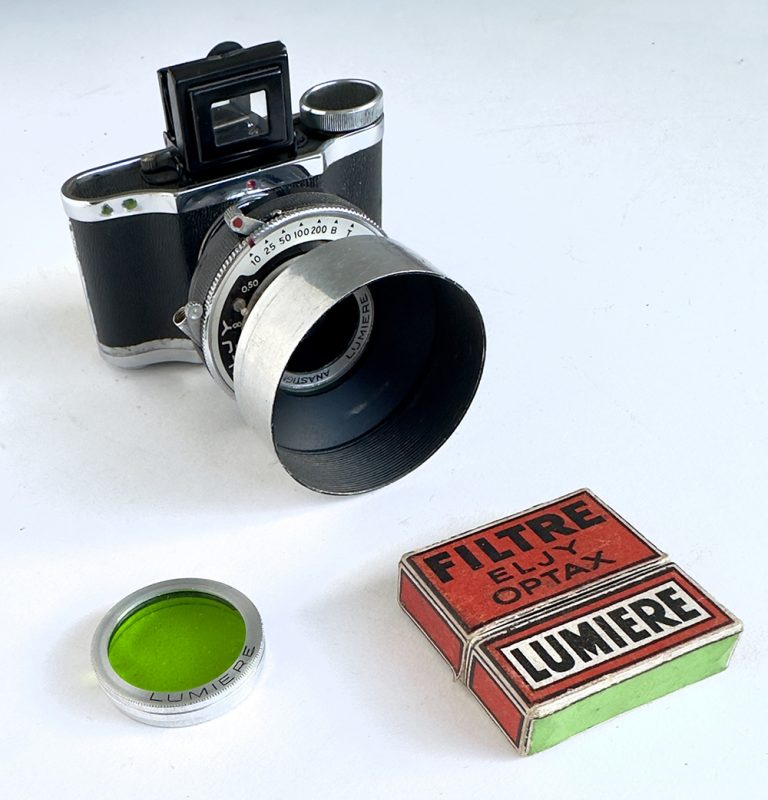
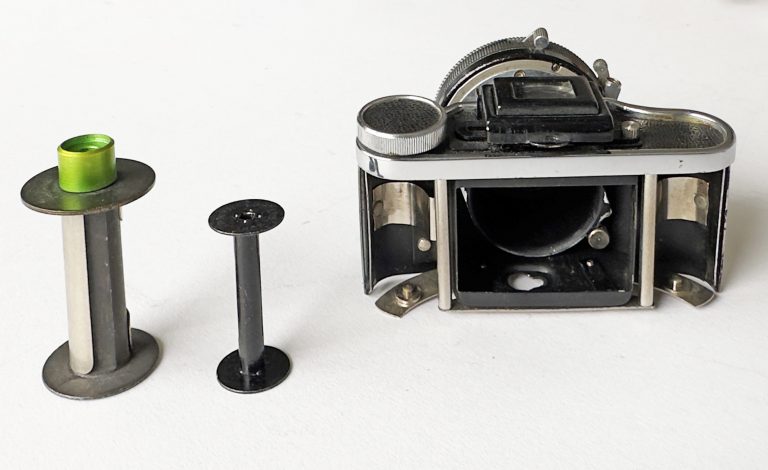
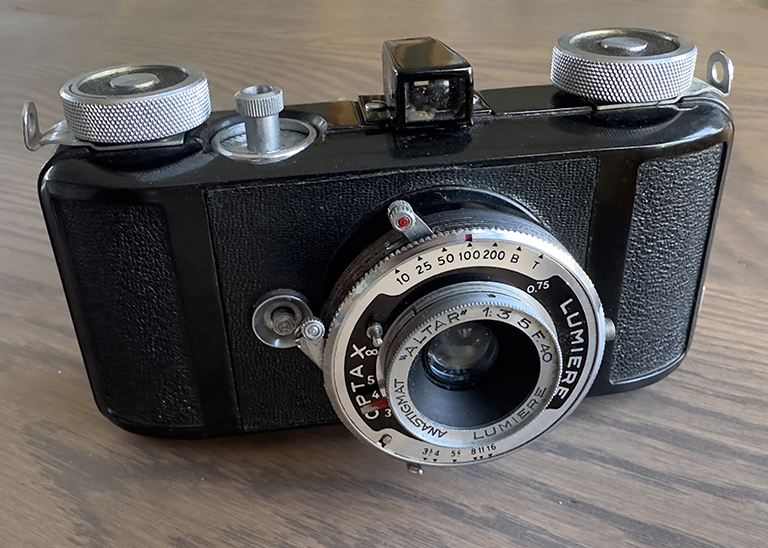
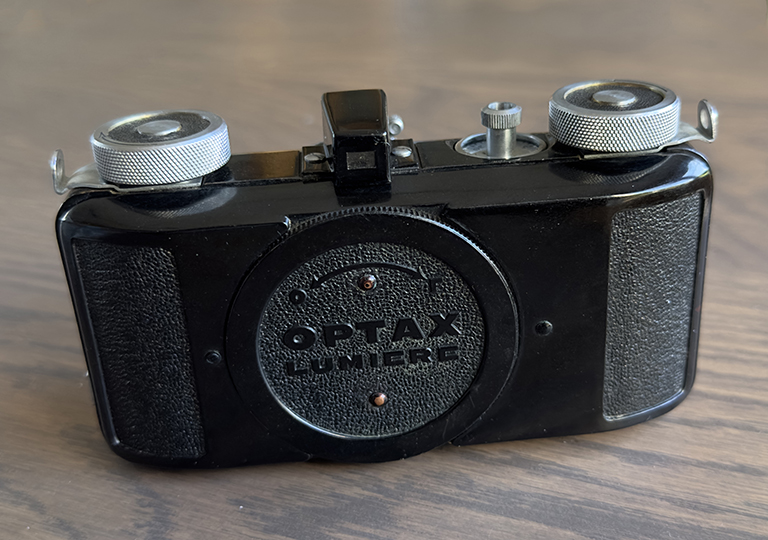
In colour photography, French pioneers revolutionised the field. The Lumière brothers introduced the Autochrome in 1907, enabling single-exposure colour photographs, while Louis Dufay developed Dioptichrome technology and later Dufaycolor, the first popular colour film available in roll formats. Overall, France contributed inventions, innovative design, and major advancements in both camera technology and photographic processes.