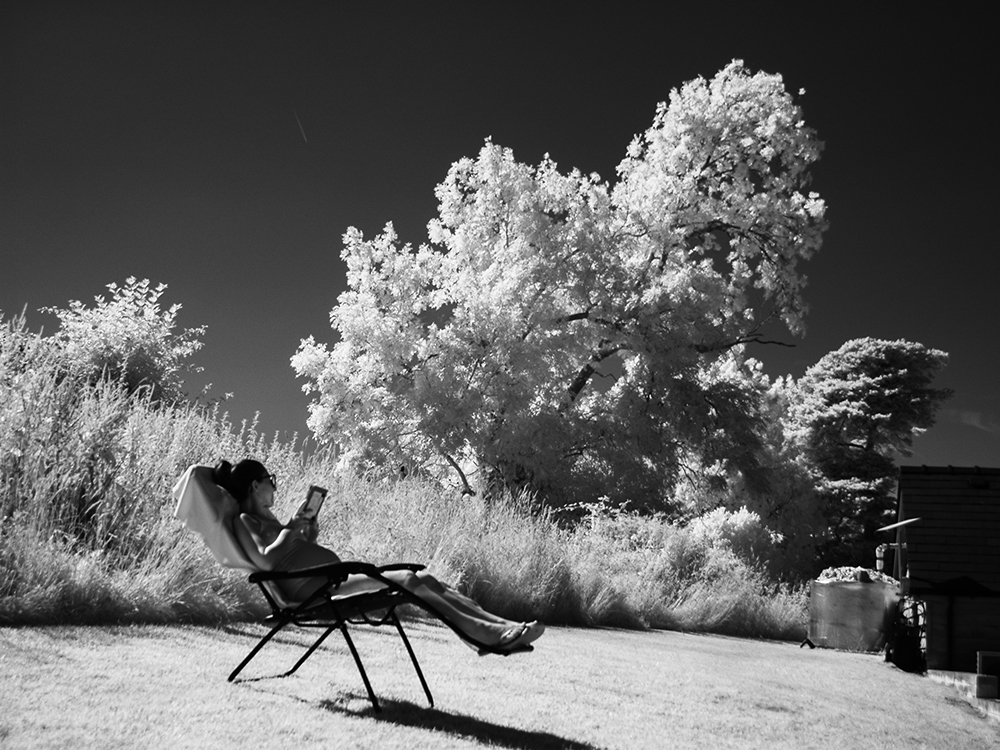
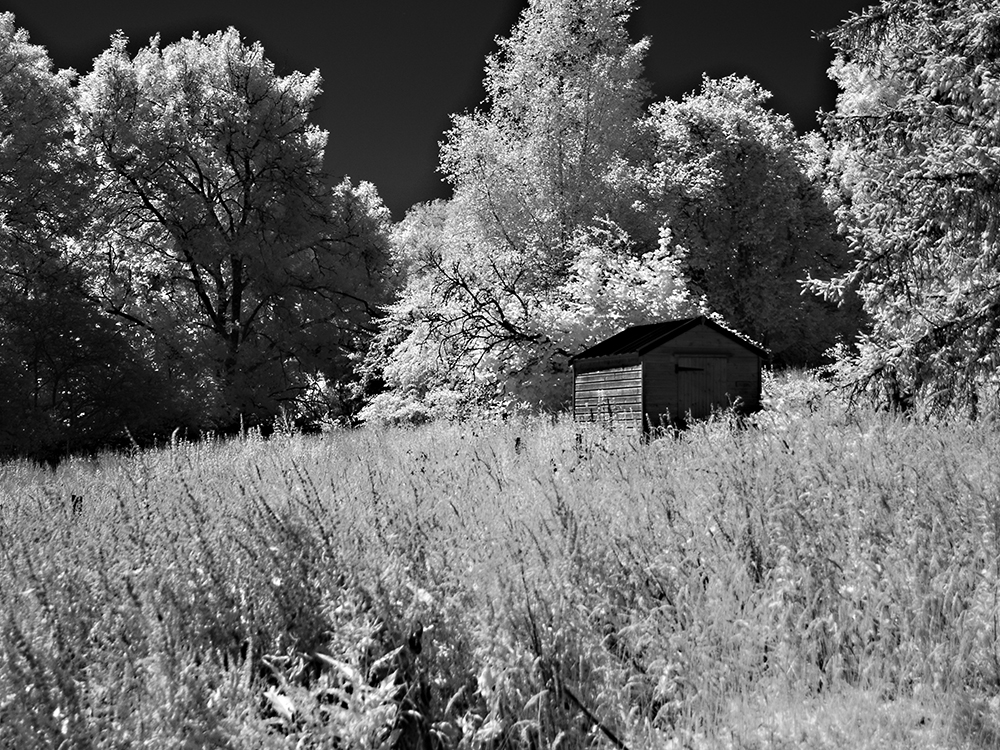
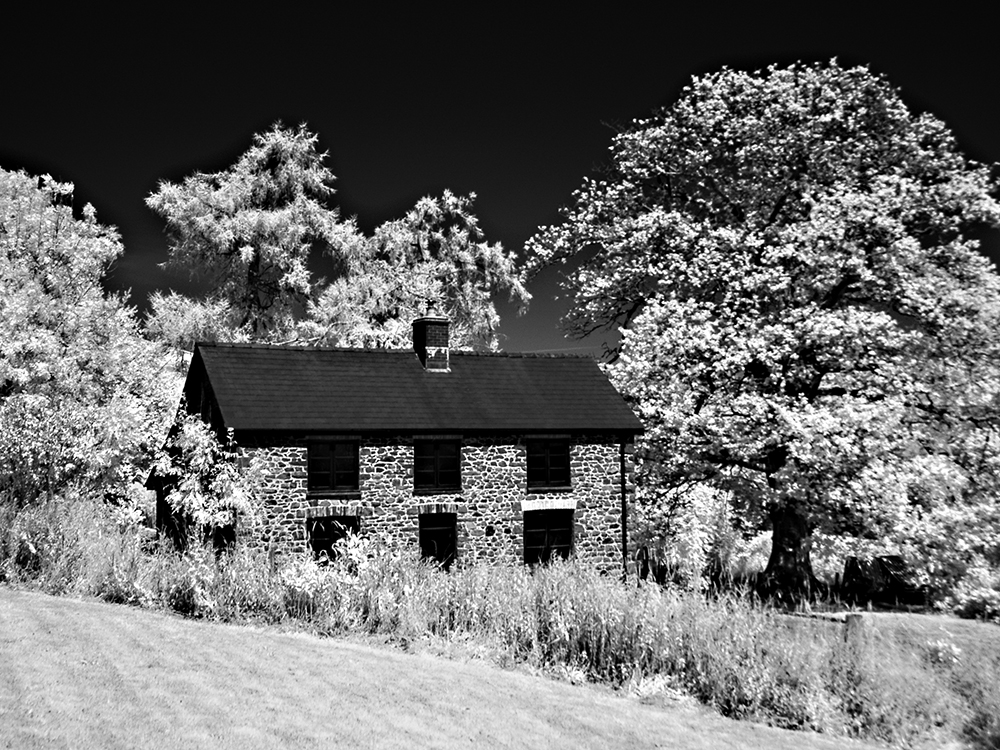
Infrared photography (IR) has become much easier with digital cameras. Previously special infrared film (such as Kodak Aerochrome) had to be used and focussing was a problem as the IR wave length (700 nanometers and above) focusses slightly differently. Some film cameras did have a mark on the focussing scale for IR. Of course the results could not be.seen until the film was developed.
The native silicon sensors in digital cameras are naturally sensitive to a broad spectrum of wavelengths spanning from roughly 350 nanometers (ultraviolet) to 1050 nanometers (infrared). However, consumer cameras contain internal filters that block these invisible wavelengths to replicate human vision. Known as IR-cut/hot-mirror filters, these limit the captured spectrum to a range of 400nm to 700nm.
On digital cameras converted for IR photography the hot-mirror filter is replaced with a custom-cut 700nm infrared-pass filter. This filter will block all visible light (everything below 700nm) and only allow infrared light to strike the sensor. The cameras need to be recalibrated so the autofocus continues to work accurately in the IR spectrum. An alternative to this conversion is to replace the hot-mirror filter with clear glass, therefore allowing the full spectrum of light to be captured, and then placing specific filters in front of the lens such as 700nm for infrared.
The conversion process needs extreme care as not only does the camera need to be disassembled but if any dust gets onto the sensor during the process it can ruin the camera. There are plenty of YouTube videos showing how to do this, but I decided to buy a camera already converted – in my case an old Nikon D70 body as I already have lots of Nikon stuff including a charger, a Compact Flash card and various lenses. Apparently this Nikon is one of the easiest to convert!
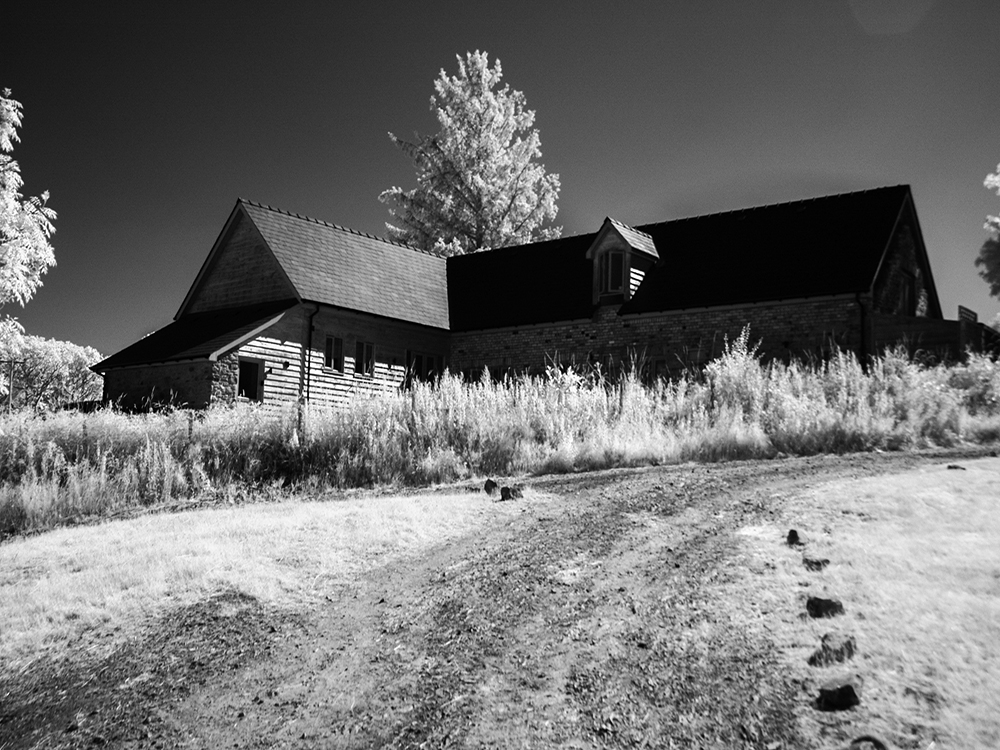
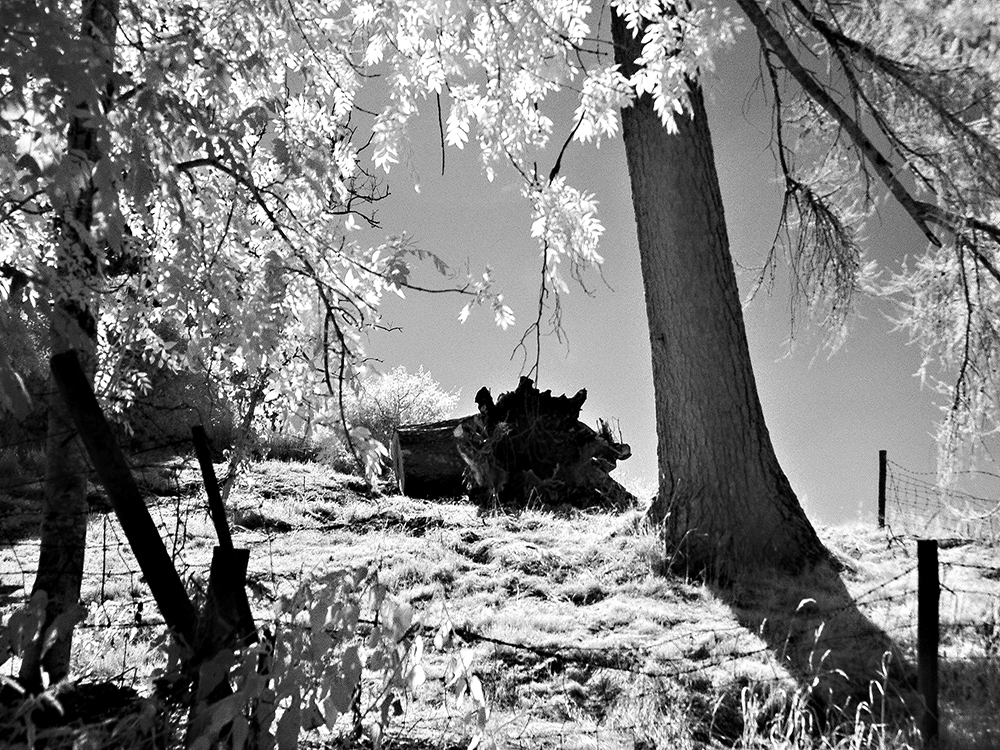
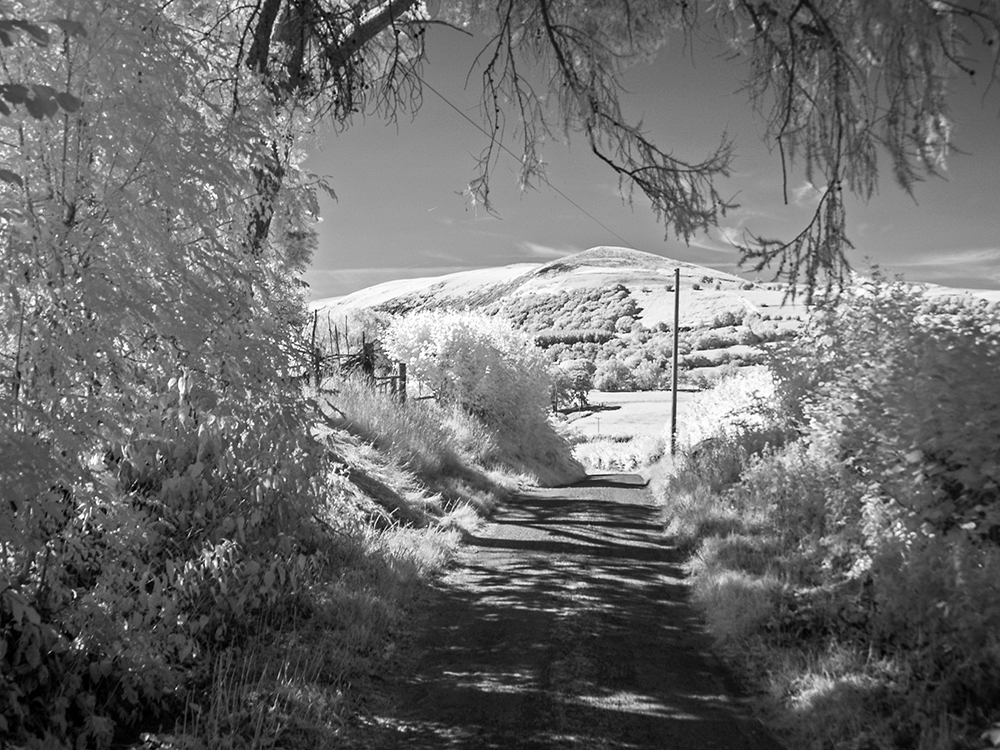
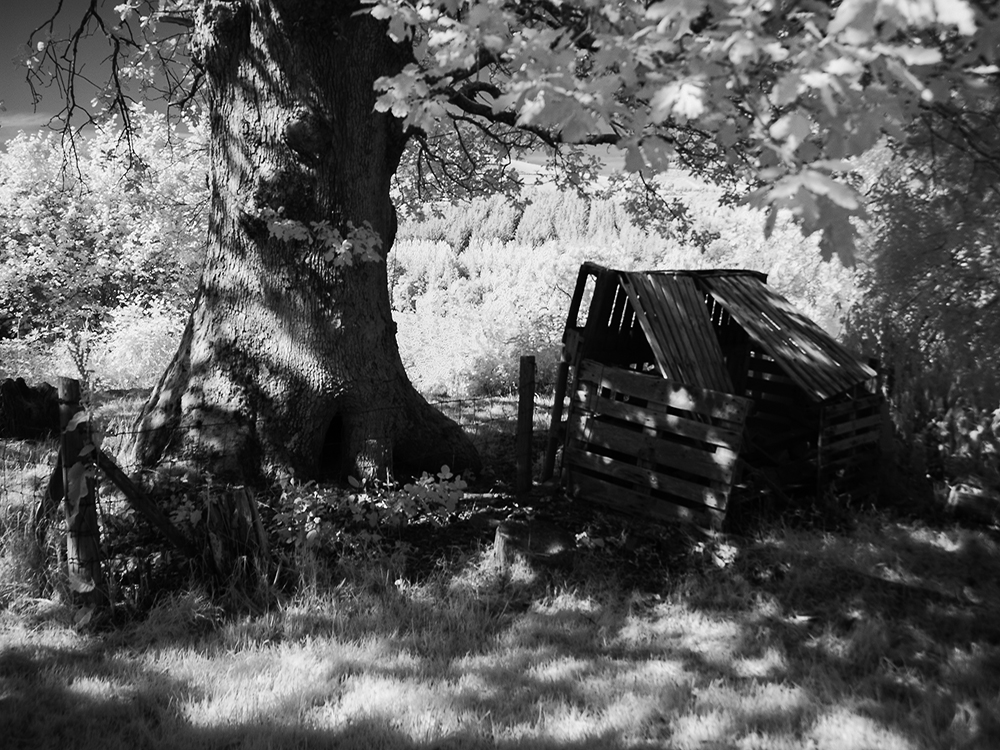
The results appear extremely flat and need to be carefully processed in Adobe Lightroom. Although the resultant images are in colour these are quite strange so I prefer to convert them to Black & White.
.
Some images taken in ABERSOCH
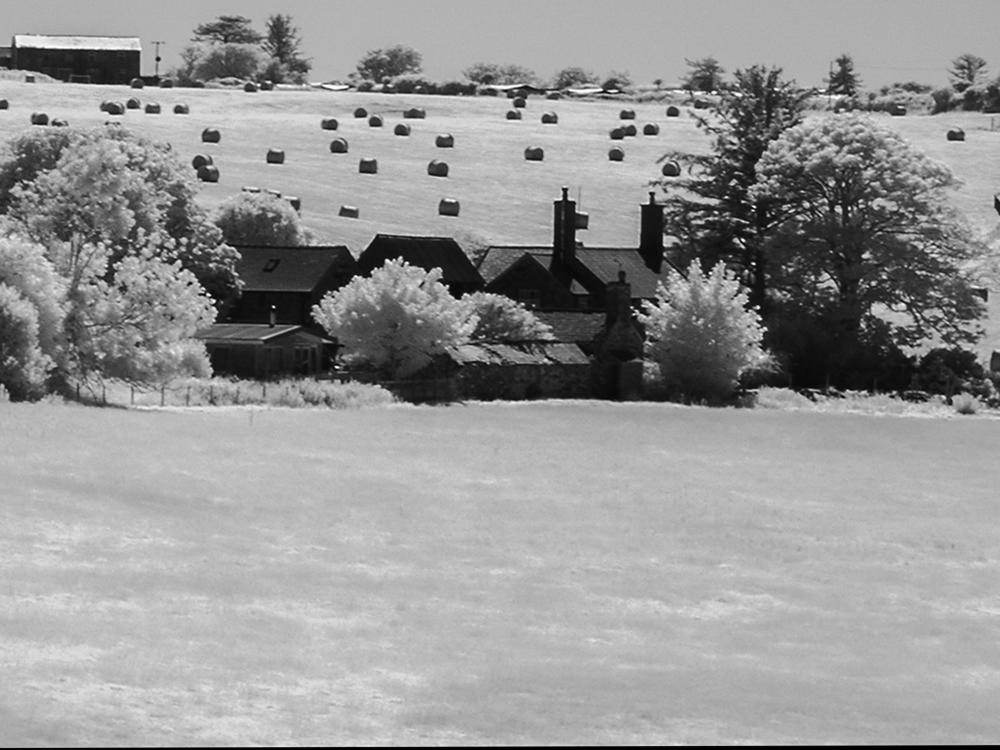
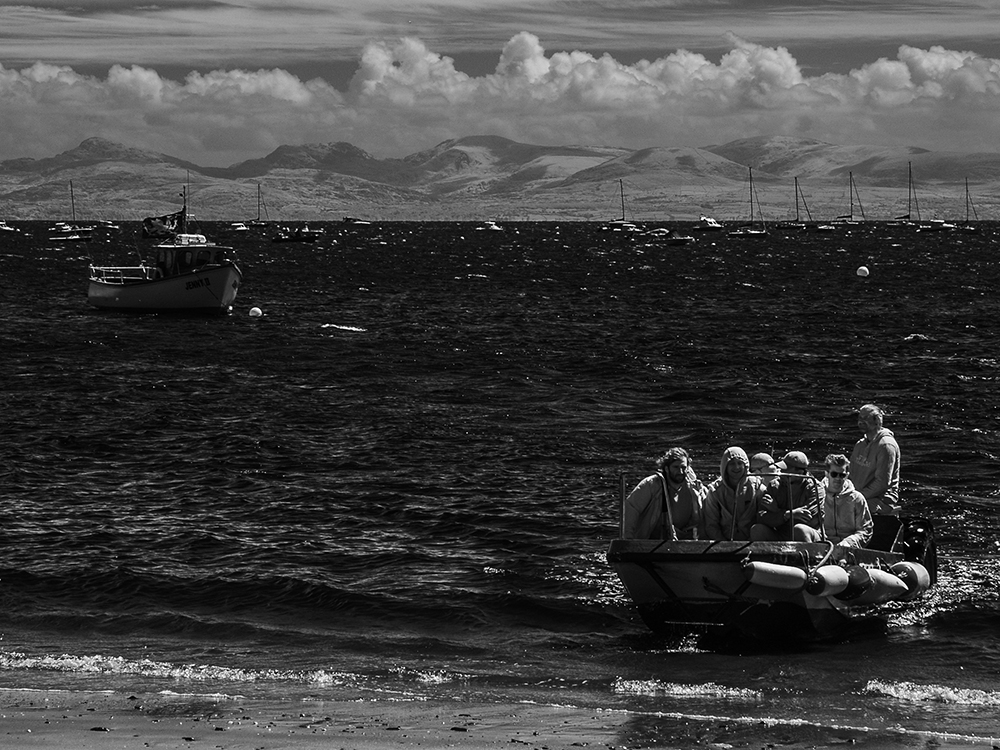
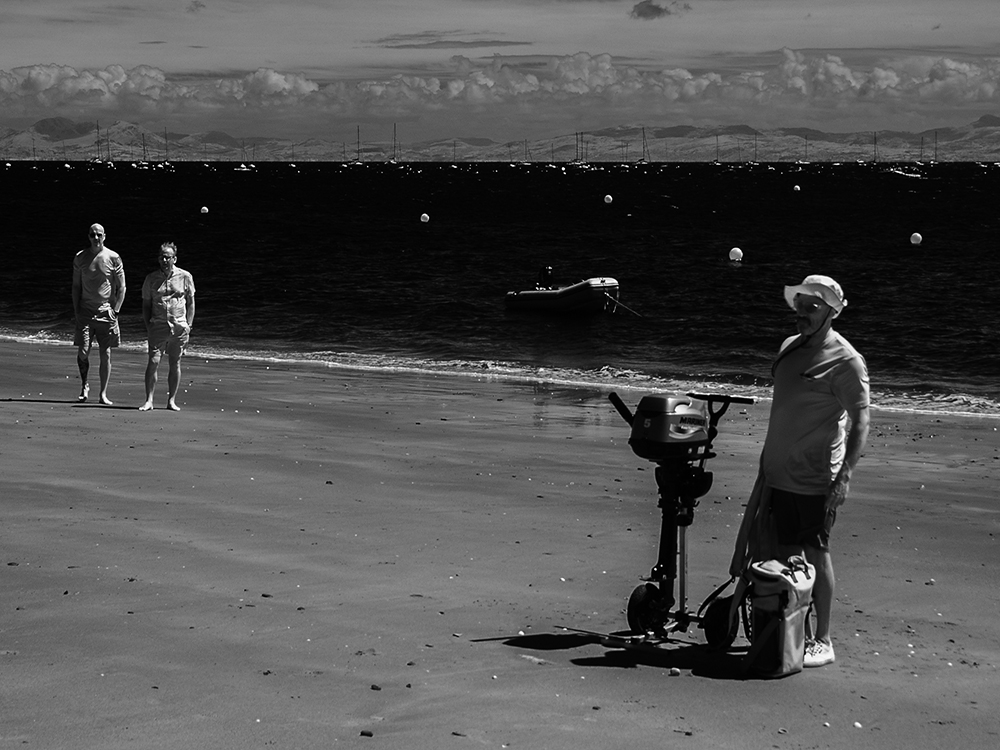
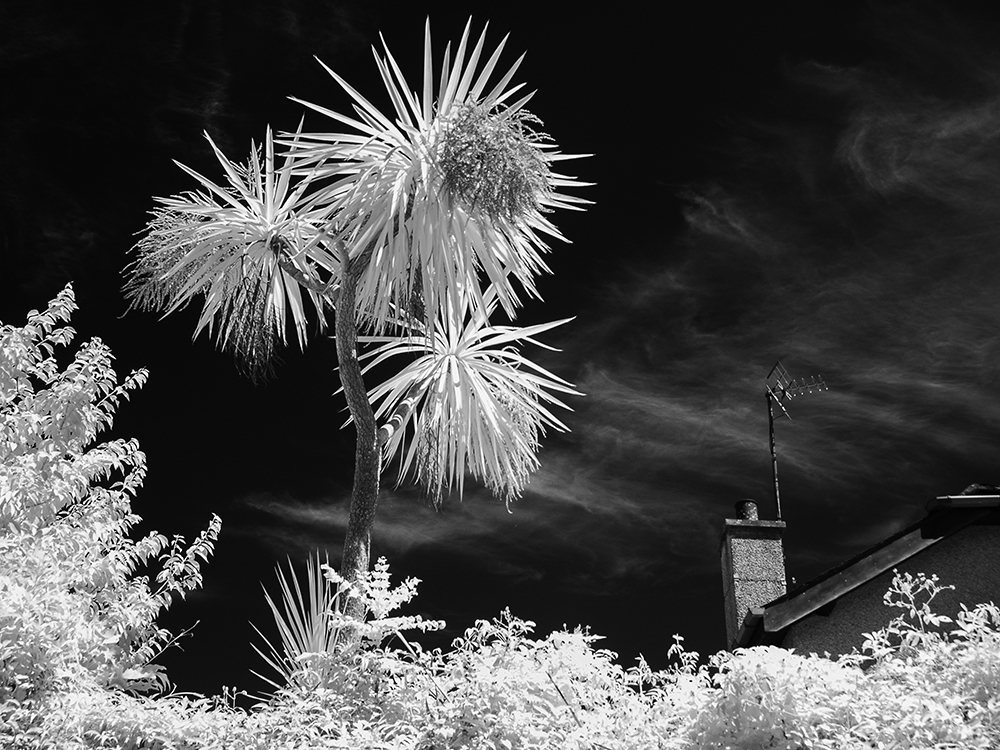
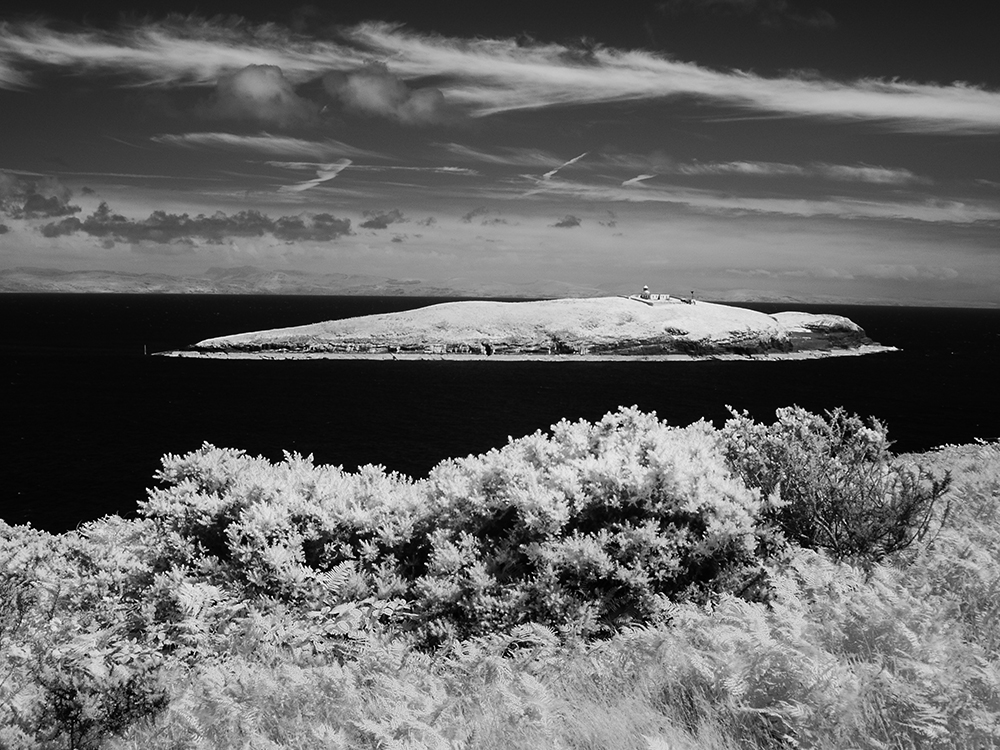
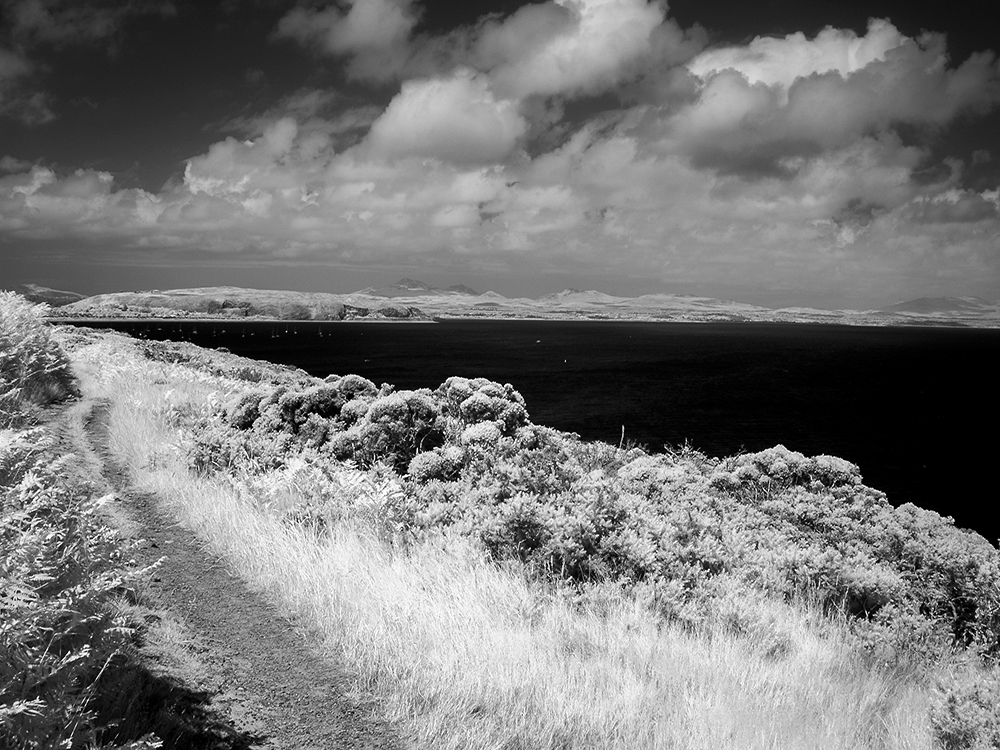
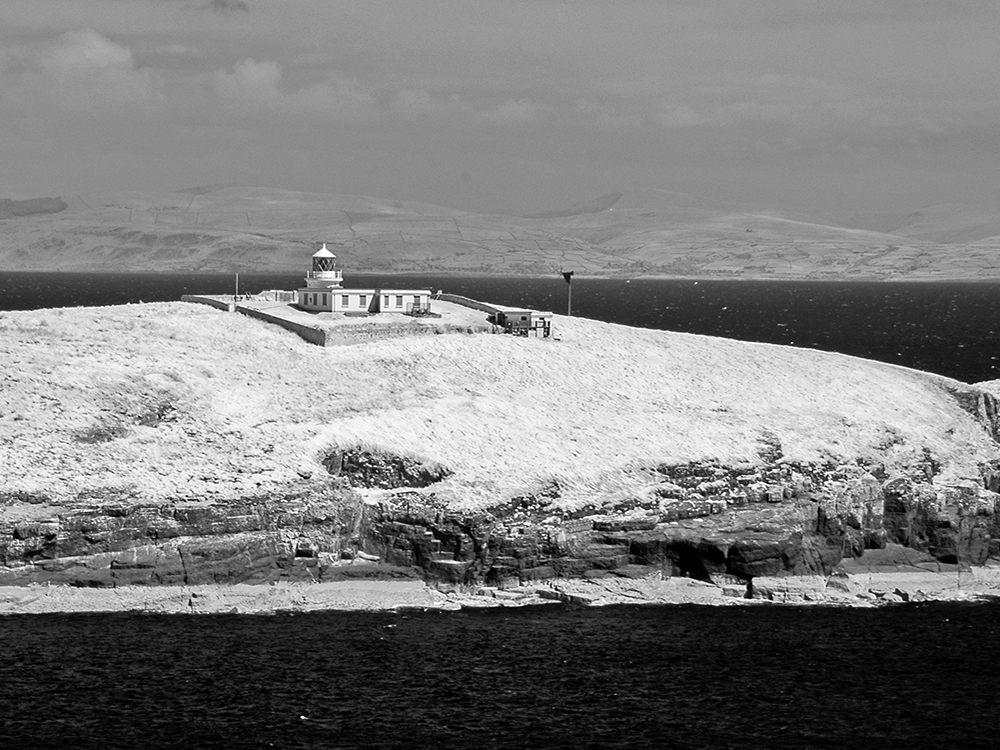
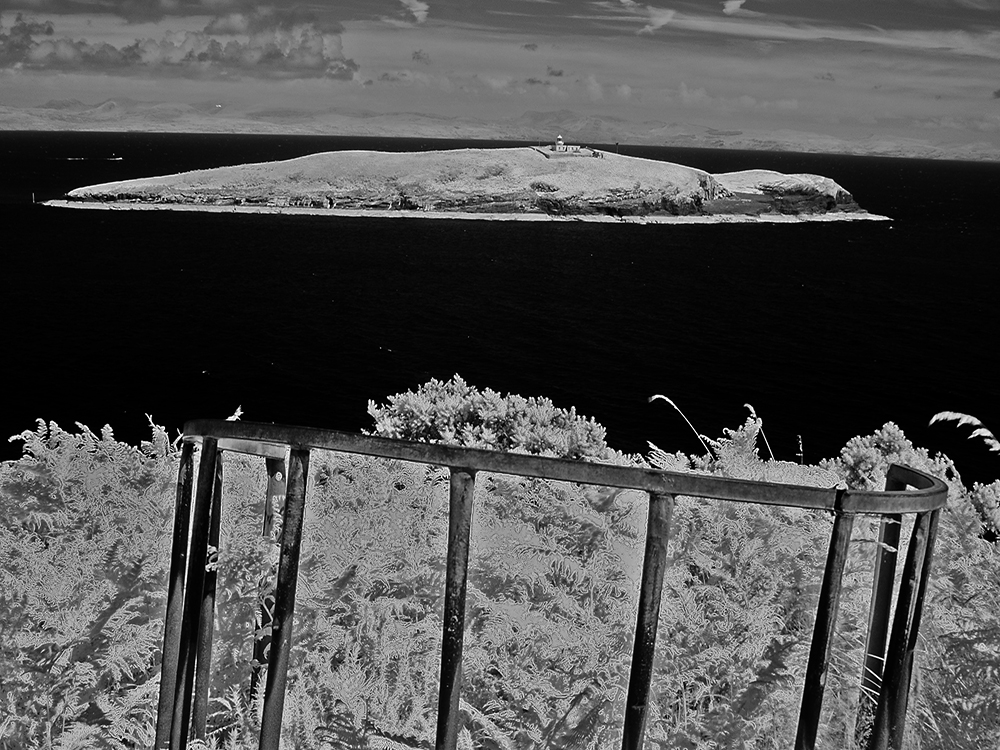
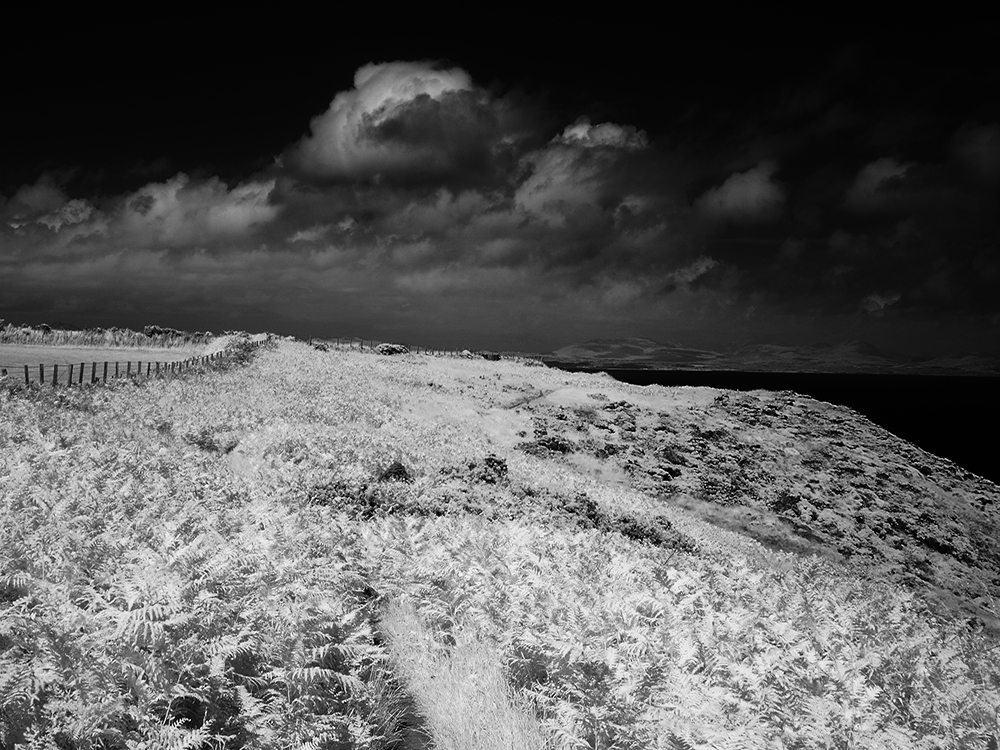
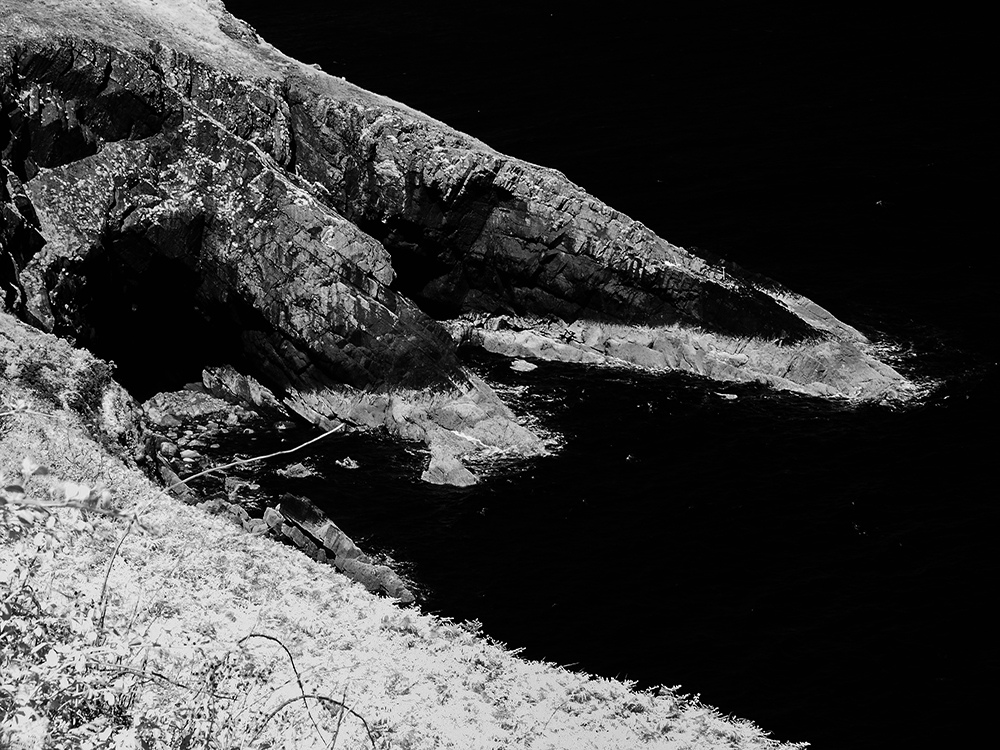
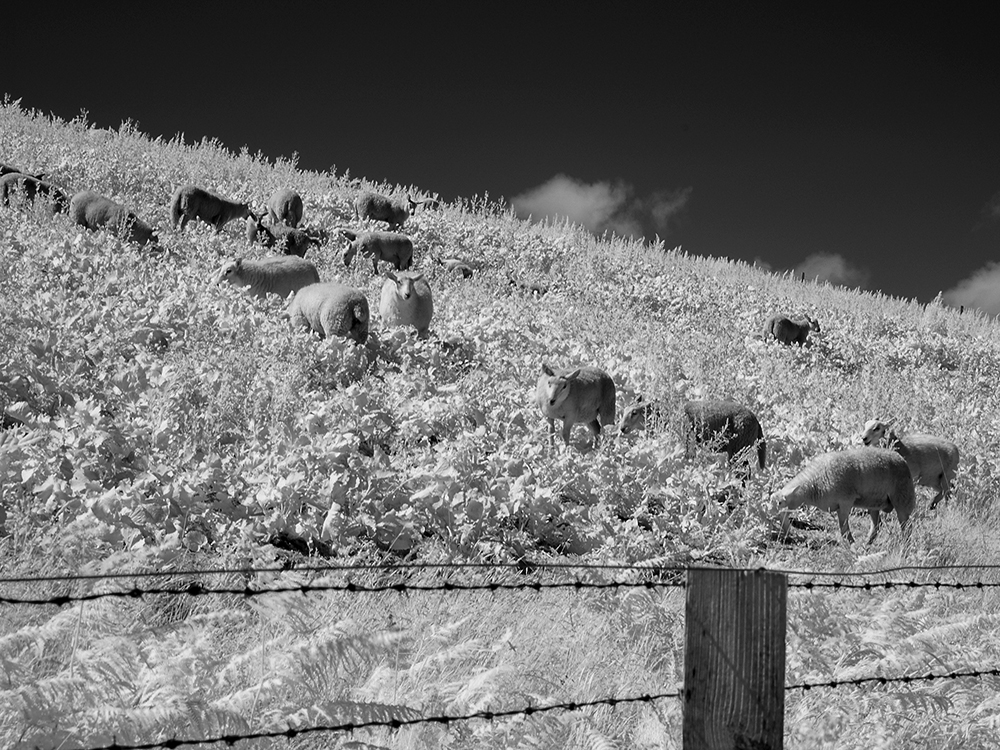
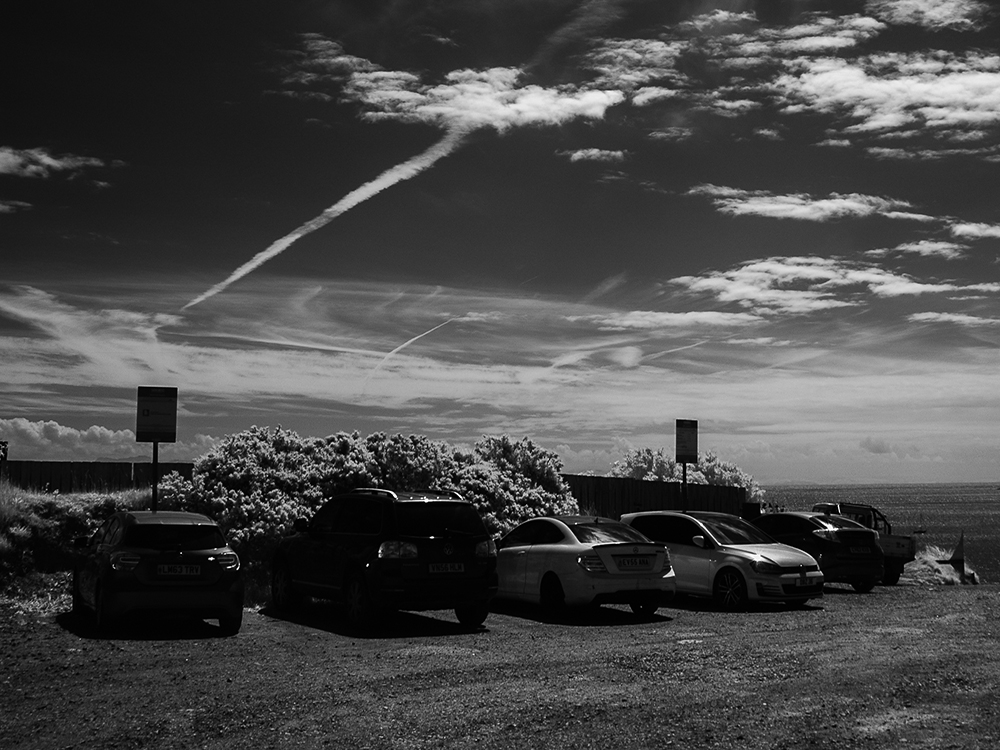
Some of the images above include St Tudwal’s Island West, Bear Grylls private 20-acre island located just over a mile off the coast of Abersoch on the Llŷn Peninsula in North Wales. He purchased the isolated retreat in 2001 for £95,000 and converted its derelict lighthouse and cottages into an off-grid family home.
Other images taken around Chester
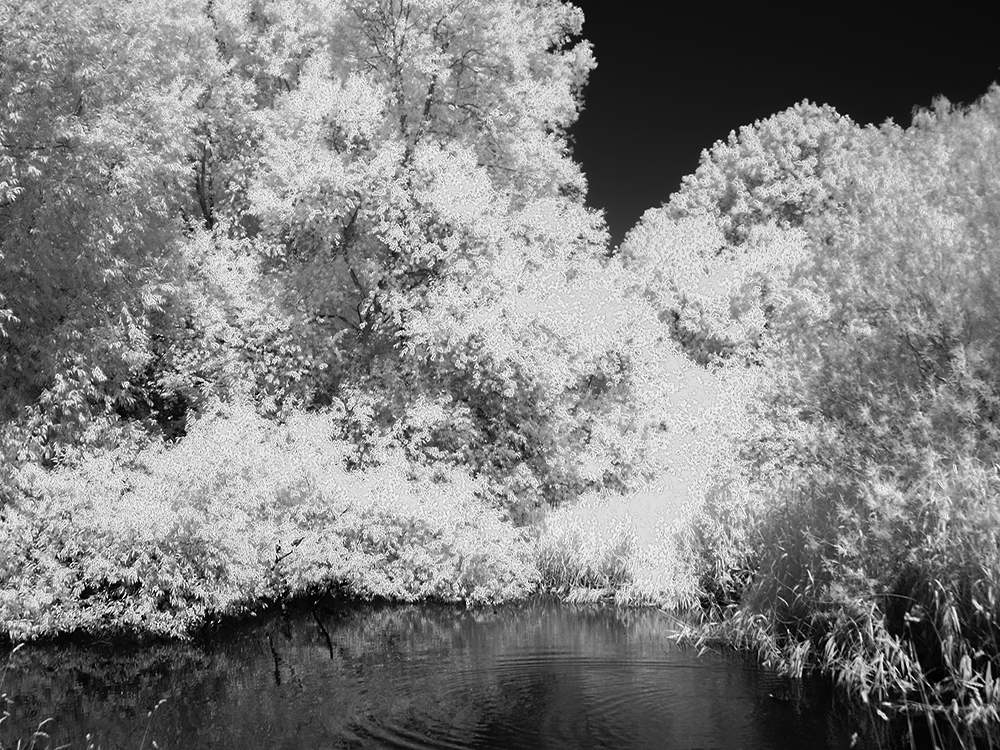
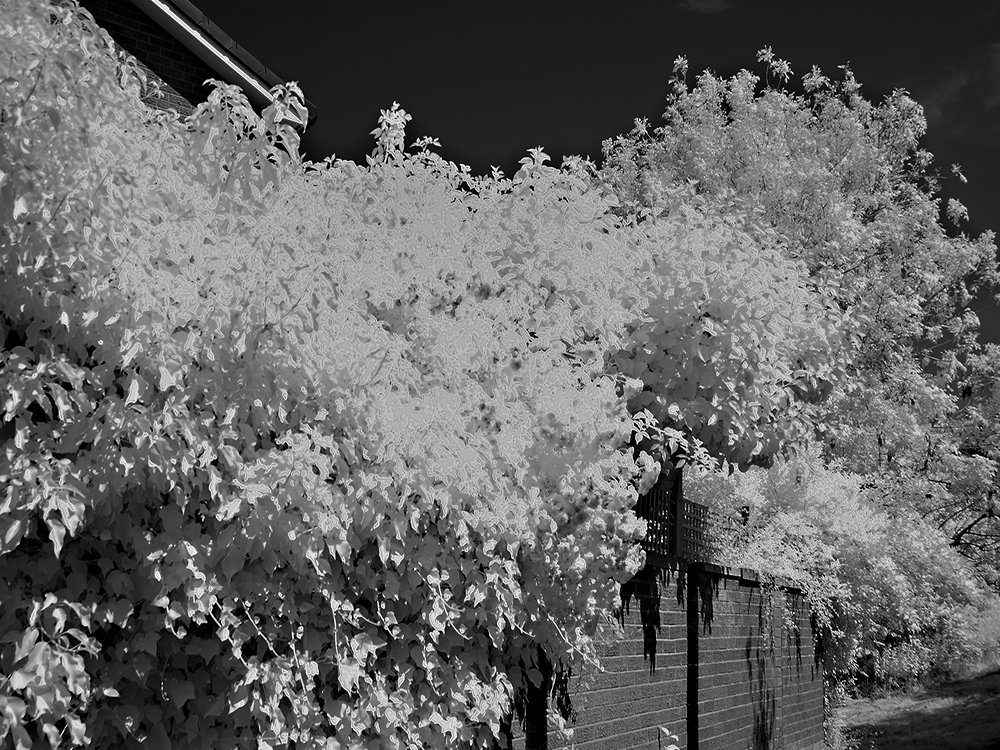
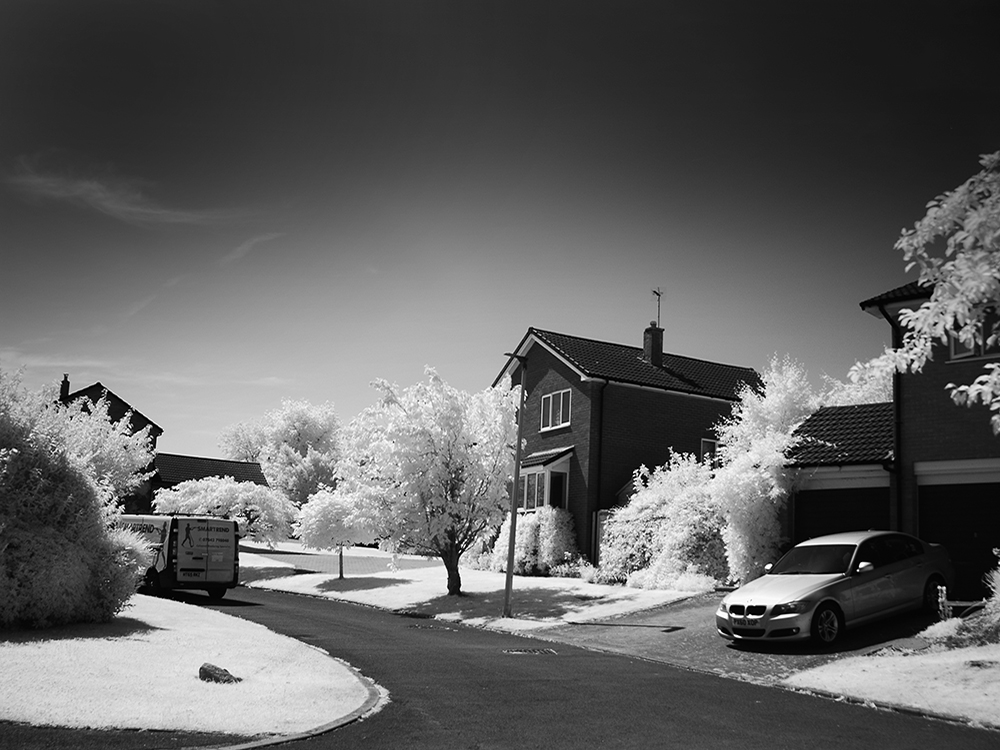
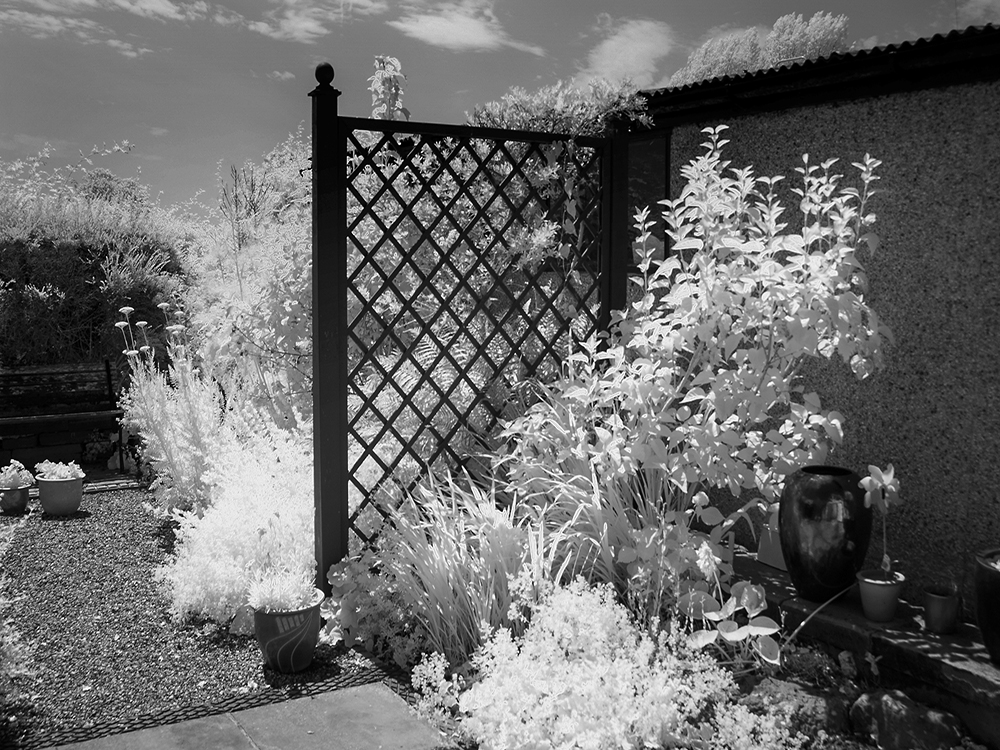
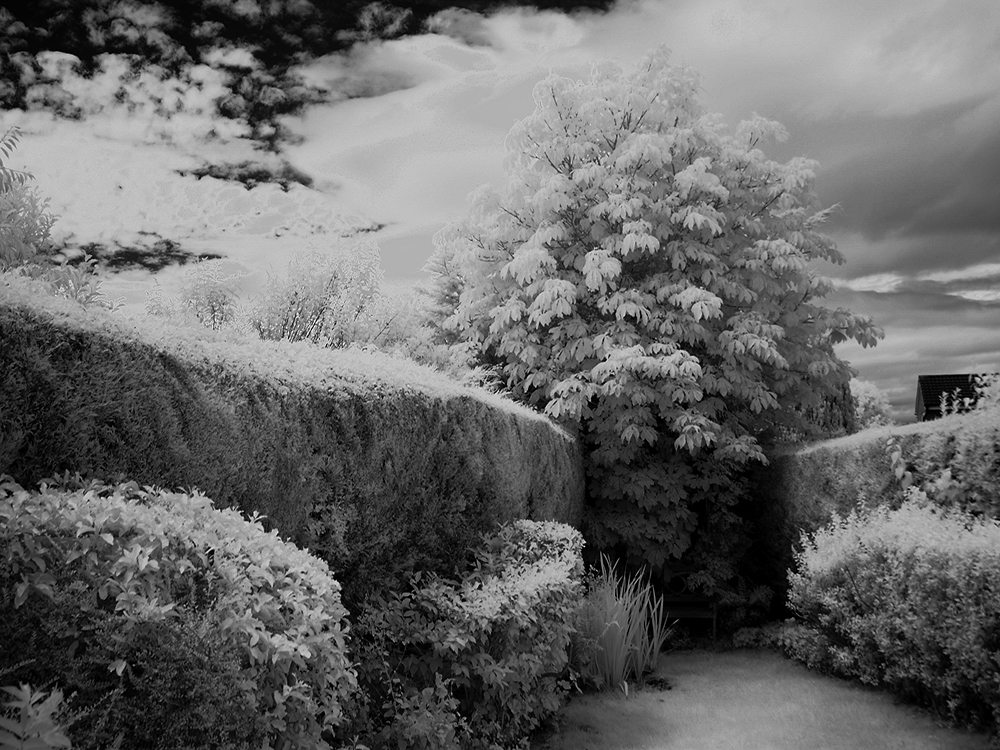
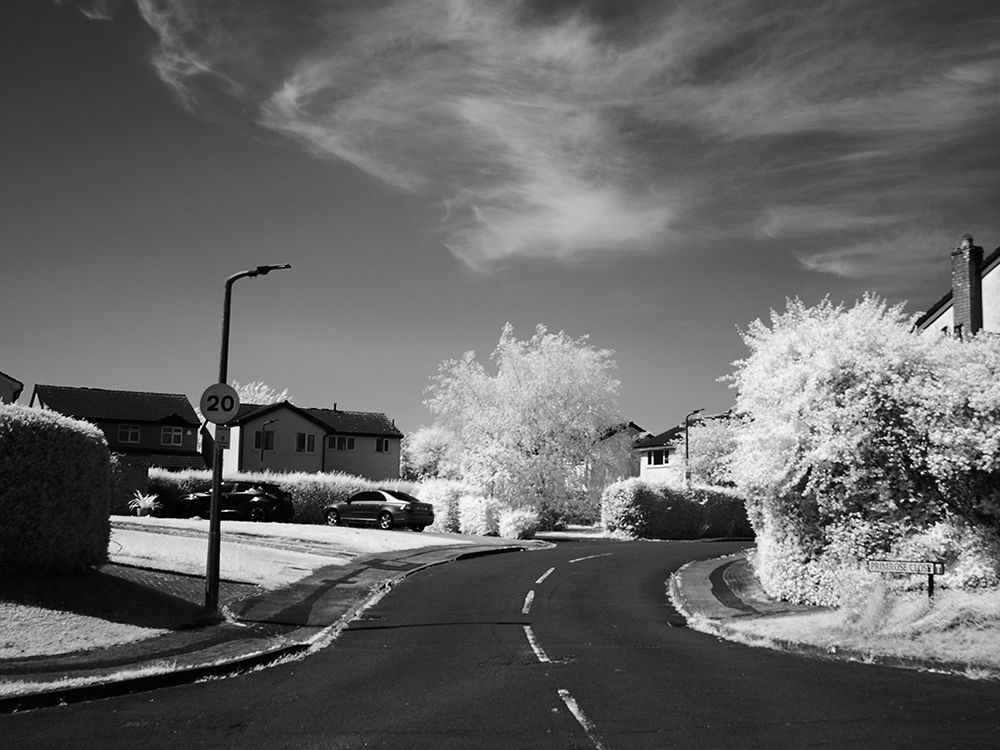
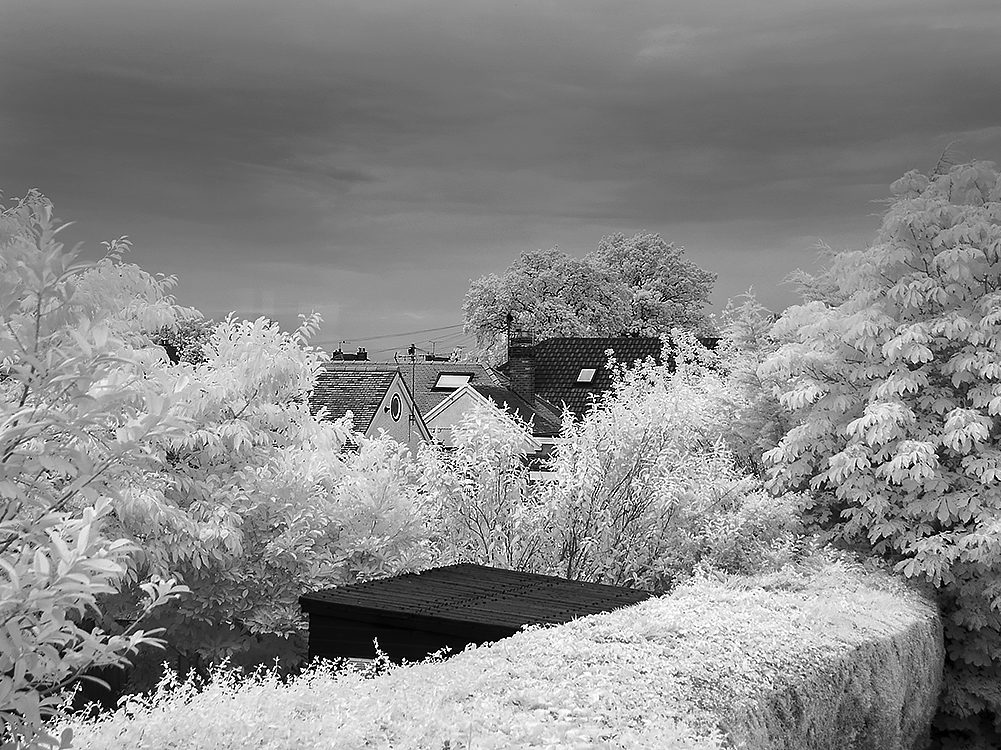
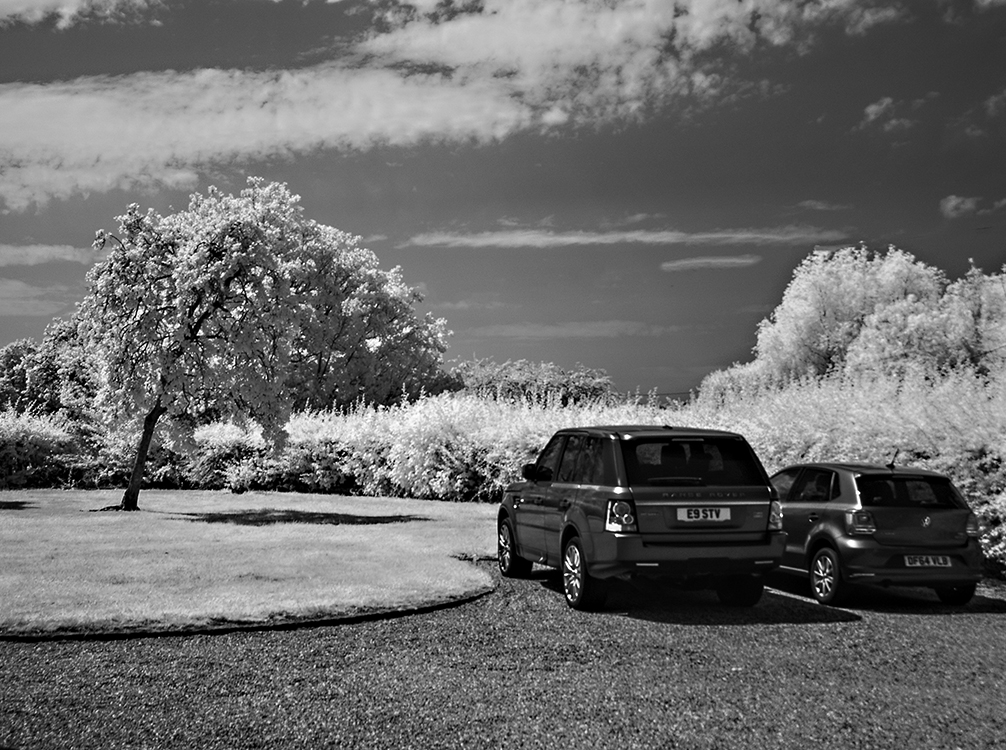
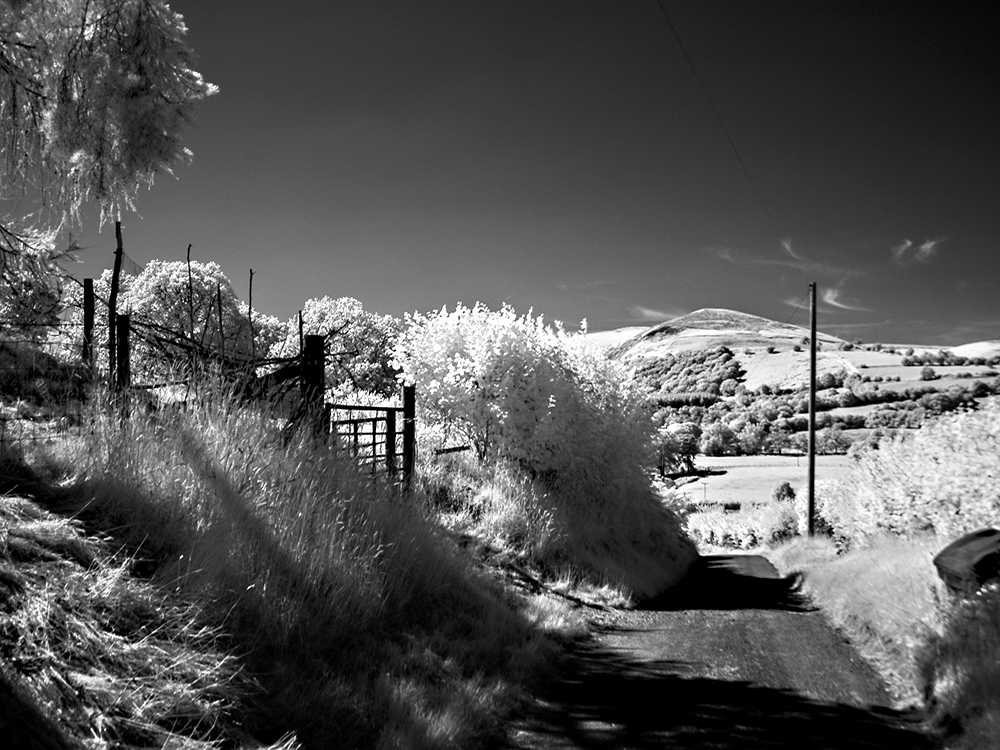
Images taken in Powys
The Equipment
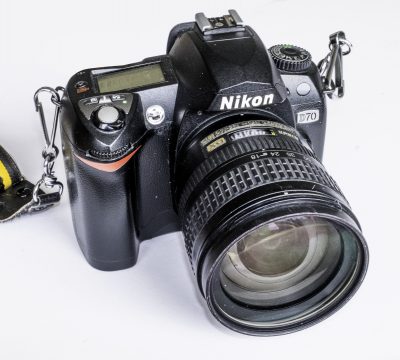
Above is my converted Nikon D70 body, purchased from eBay. It is fitted with a 18-70mm AF-S Nikkor Zoom lens.
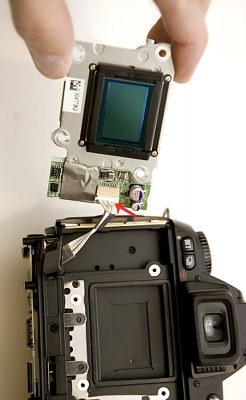
The other image is of the CCD sensor detached from a similar D70, ready for the factory fitted IR/UV filter to be removed. Mine was replaced with a 700 nm filter.